Month: September 2026

Why Is the Guzheng Considered a Representative Instrument of Chinese Traditional Music banner

Why Is the Guzheng Considered a Representative Instrument of Chinese Traditional Music?

When people think of Chinese traditional music, many imagine graceful melodies, beautiful classical scenes, and an elegant musical instrument with a distinctive sound — the guzheng. The guzheng is one of the most well-known traditional Chinese musical instruments. With a history spanning more than two thousand years, it has developed alongside Chinese music and culture over many generations. Today, the guzheng is not only performed in traditional Chinese music. It can also be heard on concert stages, in film and television soundtracks, Chinese-style pop songs, and even modern music productions. Its unique tone can create a gentle and peaceful atmosphere, while also expressing powerful and emotional melodies. This versatility is one of the reasons why the guzheng continues to attract music lovers around the world. So, why is the guzheng often regarded as a representative instrument of Chinese traditional music? It is not simply because of its long history. The guzheng also reflects many important characteristics of Chinese music — its beautiful melodies, expressive techniques, connection with nature, and emphasis on musical atmosphere and emotion. For many people, the guzheng is more than just a musical instrument. It has become a musical symbol of Chinese culture and Eastern aesthetics. To understand its importance, we can look at its history, sound, musical expression, and cultural value. What Is Guzheng? The guzheng, also known as the Chinese zither, is a traditional Chinese plucked string instrument with a history of more than 2,000 years. It is one of the most recognisable instruments in Chinese traditional music. In its early development, the guzheng was used in both court and folk music. Over time, different regions developed their own playing techniques, musical styles, and repertoire. Traditionally, guzheng music was often used to express emotions, describe beautiful scenes in nature, and reflect people’s experiences and feelings. Many well-known guzheng pieces create vivid musical images through flowing melodies and expressive techniques. They allow listeners to imagine landscapes, emotions, stories, and scenes inspired by Chinese culture. As music continues to evolve, the modern guzheng has also developed. While traditional playing techniques remain an important part of guzheng education, modern performers and composers have introduced new musical ideas and styles. Today, the guzheng can be found in traditional Chinese music performances, cultural events, stage shows, film and television music, and cross-cultural music collaborations. This allows more people around the world to discover and appreciate the beauty of this traditional Chinese instrument. Unique Sound of the Guzheng Reflects the Beauty of Chinese Music One of the most attractive features of the guzheng is its distinctive and expressive sound. The guzheng has a clear, bright, and warm tone. Through different playing techniques such as plucking, pressing, bending, and sliding the strings, performers can create a wide range of musical colours and emotions. A guzheng melody can sound calm and peaceful, reminding listeners of mountains, rivers, and natural landscapes. It can also become lively, energetic, and powerful, depending on the music and playing techniques. This expressive quality allows the guzheng to tell stories and communicate emotions without words. One important characteristic of Chinese traditional music is the idea of creating an artistic atmosphere, or yijing (意境). Music is not only about producing beautiful sounds. It also creates space for listeners to imagine and feel. The guzheng is particularly well suited to this approach. Its flowing melodies, expressive techniques, and changing tone colours allow performers to create different moods and musical images. This is one of the reasons why the guzheng has become such an important instrument in Chinese traditional music. Guzheng Carries Deep Chinese Cultural Meaning The guzheng is more than a musical instrument. It is also an important way of preserving and passing on Chinese culture and traditional music. In traditional Chinese culture, music has long been regarded as an art that can help develop the mind, character, and appreciation of beauty. Learning to play the guzheng is therefore not only about learning musical techniques. It also encourages patience, concentration, coordination, discipline, and artistic appreciation. Guzheng music is often closely connected with traditional Chinese ideas about nature. Some compositions use music to portray mountains, rivers, changing seasons, or the relationship between people and nature. This subtle and expressive approach reflects the traditional Chinese appreciation of harmony, balance, and beauty. Behind many guzheng pieces are stories, historical backgrounds, cultural traditions, or personal emotions expressed by the composer or performer. For this reason, learning the guzheng can be more than learning an instrument. It can also be a meaningful way to explore Chinese history, traditional culture, and music. How Guzheng Being Preserved and Developed in Modern Society? Although the guzheng has a long history, it has never been limited to the past. As music continues to change, more musicians and composers are exploring new ways to combine the guzheng with modern musical styles. Today, guzheng music can be heard in: Popular music Film and television soundtracks Stage performances Chinese-style contemporary music Cultural and artistic events Cross-cultural music projects These new applications allow the guzheng to maintain its traditional identity while exploring new possibilities. In Malaysia, the country’s multicultural environment also provides many opportunities for Chinese traditional music to connect with different communities. Guzheng performances can be found at cultural celebrations, school events, corporate functions, weddings, and other special occasions. Through music performances and guzheng lessons, this traditional Chinese instrument continues to reach new generations and introduce Chinese musical culture to people from different cultural backgrounds. Why Are More People Choosing to Learn Guzheng? Today, people of different ages and backgrounds are choosing to learn guzheng. For children, learning the guzheng can be an enjoyable introduction to music. Regular practice can help develop concentration, coordination, patience, listening skills, and musical awareness. At the same time, children have the opportunity to learn about Chinese traditional music and culture while developing their musical abilities. For adults, learning guzheng can be a rewarding creative activity. Playing music provides an opportunity to relax, express emotions, and enjoy a meaningful artistic hobby. Whether you are a complete beginner
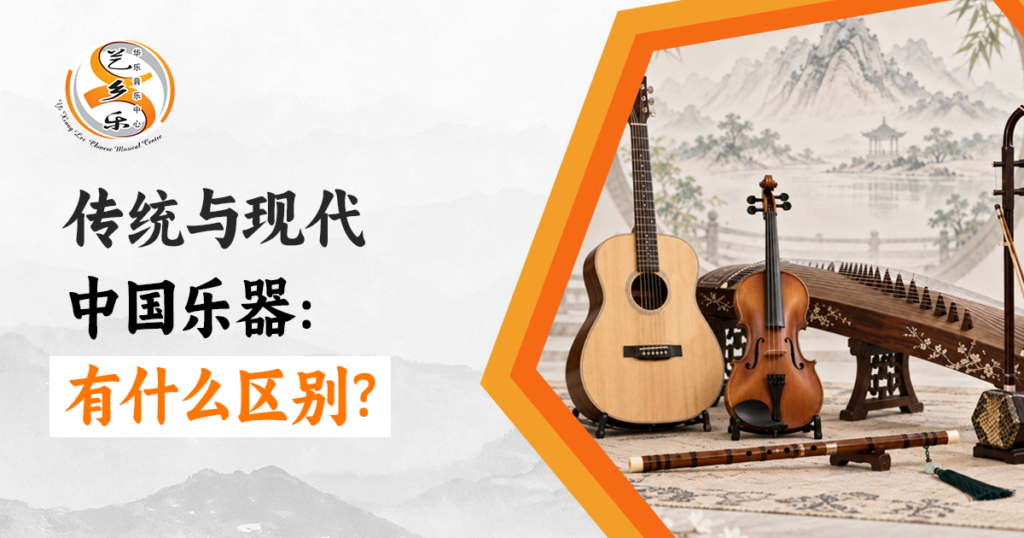
传统与现代中国乐器的不同

传统与现代中国乐器:有什么区别?

中国乐器拥有悠久的历史,经过一代又一代的发展,至今仍然活跃在我们的生活中。例如,古筝可以出现在传统独奏表演中,也可以加入流行歌曲;二胡可以演奏传统民乐,也可以成为电影配乐中非常有感染力的乐器。 随着音乐不断发展,中国乐器也开始有更多不同的演奏方式。除了传统的木制、竹制等乐器,现在也有一些经过改良的现代乐器,可以配合麦克风、拾音器、音响和电子效果使用。 那么,传统中国乐器和现代中国乐器有什么不同呢? 其实,两者的区别不只是「什么时候制造的」。它们在制作方式、声音、演奏方法、学习体验和使用场合上,也可能有所不同。了解这些区别,可以帮助学生选择适合自己的乐器,同时也能更深入地认识中国音乐的发展。 什么是传统中国乐器? 传统中国乐器是中国音乐文化的重要组成部分,经过多年的发展,形成了不同的乐器、演奏技巧和音乐风格。 传统中国乐器过去常用于节庆、戏曲、民间活动、文化表演和音乐演奏等场合。 很多传统乐器使用天然材料制作,例如: 木材 竹子 金属 蛇皮或其他传统材料 不同的材料和制作方法,会影响乐器的声音和音色。 常见的传统中国乐器包括: 二胡 古筝 琵琶 竹笛 扬琴 中阮 唢呐 笙 中国大鼓 这些乐器不只是用来演奏音乐,也可以表达不同的情感和故事。例如,二胡的声音柔和而有感情,古筝可以表现优美、流畅的旋律,琵琶则可以演奏快速而有节奏感的音乐。 今天,传统中国乐器仍然受到许多学生和音乐爱好者的喜爱。学习这些乐器,不但可以培养音乐技巧,也可以让学生接触和了解中国音乐文化。 什么是现代中国乐器? 现代中国乐器可以理解为在传统中国乐器的基础上,根据现代音乐和演奏需要进行改良的乐器。 这些乐器通常仍然保留传统乐器的基本特点和演奏方法,但在制作材料、调音、拾音器和扩音方式等方面,可能加入现代技术。例如,一些二胡、古筝和琵琶可以安装拾音器(pickup),让乐器的声音通过音响扩大。 这样一来,中国乐器就可以更方便地应用在: 流行音乐 电影配乐 音乐会 跨文化音乐 音乐录音 多媒体表演 现代华乐演奏 现代科技也让中国乐器有更多可能。 现在,音乐制作人可以通过录音软件、电子效果和数码音乐工具,把二胡、古筝、琵琶等中国乐器加入现代音乐作品。 因此,现代乐器并不是要取代传统乐器,而是在传统的基础上,创造更多演奏和音乐制作的可能。 传统中国乐器 vs 现代中国乐器 传统和现代中国乐器各有自己的特点。以下是一些常见的区别: 比较项目 传统中国乐器 现代中国乐器 声音和风格 以自然、原声的音色为主 可以配合扩音和电子效果 制作材料 常使用木材、竹子、金属等传统材料 可能加入现代材料和现代零件 学习方式 重视基本功、传统技巧和传统曲目 在基本技巧上,也可以学习现代音乐应用 演奏场合 华乐团、独奏、戏曲、文化活动等 音乐会、录音室、流行音乐、跨界音乐等 维护方式 天然材料可能需要比较细心的保养 部分现代材料比较稳定和耐用 适合的人 喜欢传统音乐、文化和经典曲目的人 喜欢现代音乐、创作和音乐制作的人 其实,传统乐器和现代乐器并没有谁比较好。 传统乐器可以保留中国音乐独特的声音和文化,而现代乐器则可以让这些声音更容易应用在今天的音乐环境中。 两者可以互相配合,一起推动中国音乐的发展。 传统中国乐器可以演奏现代音乐吗? 当然可以。 事实上,二胡、古筝、琵琶和笛子等传统中国乐器,都非常适合应用在现代音乐中。 它们独特的声音,可以让音乐拥有不同于西方乐器和电子乐器的特色。 二胡 二胡的音色非常有感情,有时会让人联想到人的歌声。 因此,二胡经常用于: 流行歌曲 抒情音乐 电影配乐 电视剧配乐 游戏音乐 二胡可以演奏优美的旋律,也可以通过不同的运弓和揉弦技巧表现丰富的情感。 古筝 很多人想到古筝,可能会想到优美、安静的音乐。 其实,古筝的表现力非常丰富。 古筝除了可以演奏流畅的旋律,也可以通过: 快速指法 扫弦 滑音 轮指 特殊弹奏技巧 创造出有节奏感和力量感的声音。 因此,古筝也可以应用在流行音乐、现代音乐、电影音乐和跨界音乐中。 琵琶 琵琶的特点是声音清晰、节奏感强,而且可以快速演奏。 它既可以演奏旋律,也可以创造节奏效果。 因此,琵琶很适合加入现代音乐和不同类型的音乐编曲。 竹笛 竹笛的声音明亮、清脆,非常容易被听见。 在现代音乐中加入竹笛,可以让音乐增加明显的中国音乐特色。 中国乐器如何融入现代音乐? 将中国乐器加入现代音乐,并不只是把一件乐器放进歌曲里面。 好的音乐编曲,需要了解乐器本身的特点。 例如,编曲者需要考虑: 乐器的音域 乐器的音色 演奏技巧 音量变化 乐器适合担任旋律还是伴奏 如何与其他乐器配合 当二胡、古筝或琵琶被真正当成音乐中的一个重要声部,而不是单纯的「中国声音效果」,音乐通常会更加自然。 现代音乐人也可以在传统技巧的基础上进行新的尝试。 例如,古筝可以使用特殊的拨弦方式制造节奏效果;二胡也可以通过即兴演奏、扩音和电子效果,创造不同的声音。 这些新的尝试并不一定代表传统文化被改变。 相反,它们可以让更多年轻人接触中国乐器。 一个年轻人可能因为在流行歌曲或电影中听到二胡、古筝,后来才开始对中国音乐产生兴趣,并进一步学习乐器和了解中国音乐文化。 中国乐器的未来发展 中国乐器未来的发展,需要同时重视传统与创新。 首先,传统的演奏技巧、经典曲目和乐器制作技术需要继续传承。学生学习中国乐器时,不只是学习如何演奏一首曲子,也应该了解乐器的历史、基本技巧和音乐文化。这样才能真正把中国音乐传承下去。 另一方面,中国乐器也需要跟随时代的发展。现在的年轻人接触到很多不同类型的音乐,例如: 流行音乐 电影音乐 游戏音乐 网络音乐 西方古典音乐 爵士音乐 摇滚音乐 电子音乐 如果中国乐器能够与这些音乐形式进行交流,就可以创造更多新的音乐作品。 科技也会继续改变中国乐器的演奏方式。例如,现代录音设备可以更清楚地记录乐器的声音;线上课程可以让学生学习不同地区的音乐;音乐制作软件也可以让中国乐器进入更多现代音乐作品。 未来的中国乐器,也可能在扩音、调音、耐用性和携带方面继续改良。但是,现代化最重要的是保留乐器本身的特色。 古筝不需要变成电子琴,二胡也不需要模仿小提琴。 每一种中国乐器都有属于自己的声音。科技真正的作用,是帮助这些独特的声音被更多人听见。 学习二胡、古筝及其他中国乐器 如果您或您的孩子对二胡教学、古筝教学、琵琶教学、竹笛教学或其他中国乐器有兴趣,欢迎了解 Yi Xiang Ler Chinese Musical Centre(艺乡乐)的音乐课程。 艺乡乐提供系统化的中国乐器课程和华乐教学,帮助学生学习正确的基本技巧、培养音乐感和演奏信心,同时认识中国音乐文化。 无论是零基础初学者,还是已经有一定演奏经验的学生,都可以根据自己的程度选择合适的课程。 如果您正在为孩子寻找适合的中国乐器,也可以联系我们,了解不同乐器的特点以及适合的学习方式。 欢迎联系 Yi Xiang Ler Chinese Musical Centre(艺乡乐),了解更多中国乐器课程。

Explore the differences between traditional and modern Chinese musical instruments, including their sound, materials, learning experience and use in contemporary music.

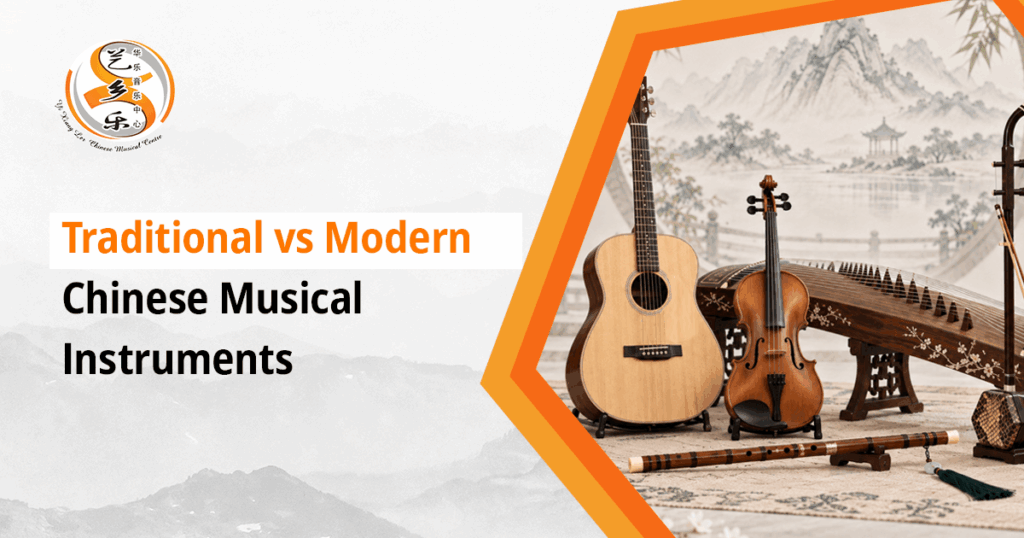
Traditional vs Modern Chinese Musical Instruments

Chinese musical instruments have a history that stretches across generations, yet their sounds are far from being confined to the past. The guzheng can be heard in a traditional solo performance and then appear in a modern pop arrangement. The erhu may perform a familiar folk melody in one setting and become the emotional centre of a film soundtrack in another. As music continues to evolve, instrument makers and performers are finding new ways to bring traditional Chinese instruments into contemporary settings. Some musicians remain faithful to acoustic instruments and classical techniques, while others use amplification, electronic effects and modern arrangements to explore new sounds. This raises an interesting question: what is the real difference between traditional and modern Chinese musical instruments? The distinction is not simply about when an instrument was created. It can also involve its construction, sound, playing experience and intended performance setting. Understanding these differences can help students choose an instrument that suits their interests while gaining a deeper appreciation of how Chinese music continues to develop. What Are Traditional Chinese Musical Instruments? Traditional Chinese musical instruments are an important part of China’s cultural and musical heritage, shaped by centuries of craftsmanship, regional traditions and changing forms of artistic expression. Historically performed during ceremonies, festivals, theatrical productions and community gatherings, these instruments developed their identities through distinctive acoustic sounds and specialised playing techniques. Many are crafted from natural materials such as wood, bamboo, metal and animal skin, giving each instrument its own tonal character. More than tools for producing music, they have long been used to express emotions, accompany stories and reflect ideas inspired by history, poetry and nature. Today, traditional Chinese musical instruments remain widely studied and performed, allowing new generations to connect with Chinese culture while developing technical ability, discipline and musical expression. What Are Modern Chinese Musical Instruments? Modern Chinese musical instruments are contemporary adaptations of traditional instruments designed to suit today’s learning, recording and performance environments. While they retain their recognisable cultural identity and essential playing techniques, they may incorporate updated materials, improved tuning systems, electronic pickups or amplification. These developments allow Chinese instruments to be heard more clearly in large venues and blend naturally with pop, rock, orchestral and electronic music. Digital technology has also introduced sampled instrument sounds and virtual music tools, giving composers more ways to include Chinese musical elements in their work. Rather than replacing traditional instruments, modern versions expand their creative possibilities and help Chinese music connect with new audiences. Traditional vs Modern Chinese Musical Instruments The distinction between traditional and modern Chinese musical instruments becomes clearer when we compare how they are made and used. Comparison Traditional Chinese Instruments Modern Chinese Instruments Sound and style Natural, acoustic and closely connected to classical or folk music Amplified or digitally enhanced for pop, fusion and contemporary music Design and materials Commonly made with wood, bamboo, metal and other natural materials May use synthetic materials, modern strings, pickups or electronic components Learning experience Focuses on traditional techniques, tone control and cultural repertoire Combines fundamental techniques with recording tools, effects and modern arrangements Performance settings Often used in recitals, Chinese orchestras, opera and cultural events Suitable for concerts, studios, multimedia productions and cross-cultural performances Maintenance Natural materials may require more careful handling Modern materials may provide better durability and stability Best suited for Learners interested in authentic sound, culture and traditional repertoire Musicians interested in contemporary performance, production and experimentation Neither type is necessarily better. Traditional instruments preserve the natural character and cultural roots of Chinese music, while modern instruments offer greater flexibility for today’s performances and creative projects. Can Traditional Chinese Instruments Be Used in Modern Music? Traditional Chinese instruments can be used very effectively in modern music. In fact, their distinctive sounds can give a contemporary composition an identity that is difficult to achieve with standard electronic or Western instruments alone. The erhu is frequently chosen for emotional melodies because its tone can feel remarkably close to the human voice. It works well in ballads, cinematic music and dramatic soundtracks. The guzheng can create more than gentle flowing passages. Its strings can produce fast rhythmic patterns, sweeping glissandos, percussive sounds and strong accents. This versatility allows it to fit into pop, fusion and experimental arrangements. The pipa can move quickly between melody and rhythm. Its detailed plucking techniques can add energy to an arrangement, while its softer tone can support quieter sections. The dizi can introduce a bright and lively sound that stands out clearly within a modern composition. Using traditional Chinese musical instruments in modern music requires thoughtful arrangement. Simply adding an erhu or guzheng to a song does not automatically make the music meaningful. The instrument needs a clear role within the composition. The arranger should understand its natural range, tone and techniques. When the instrument is treated as an important musical voice rather than a decorative sound effect, the result feels more balanced and authentic. Musicians may also adapt traditional techniques for modern purposes. A guzheng player might use muted plucks to create a rhythmic effect, while an erhu player may experiment with improvisation or electronic processing. These experiments do not necessarily weaken tradition. They can introduce Chinese musical instruments to listeners who may never have attended a traditional recital. A person might first hear the guzheng in a popular song and later become curious about its history, repertoire and playing techniques. The Future of Chinese Musical Instruments The future of Chinese musical instruments is likely to be shaped by both preservation and innovation. Traditional techniques, repertoire and craftsmanship must continue to be taught carefully. Without these foundations, modern versions of the instruments may keep their appearance but gradually lose the qualities that make them culturally and musically distinctive. Music education plays an important role in this process. When students learn the correct techniques and understand the background of the pieces they perform, they help preserve more than a collection of songs. They carry forward a way of listening, playing and expressing ideas through

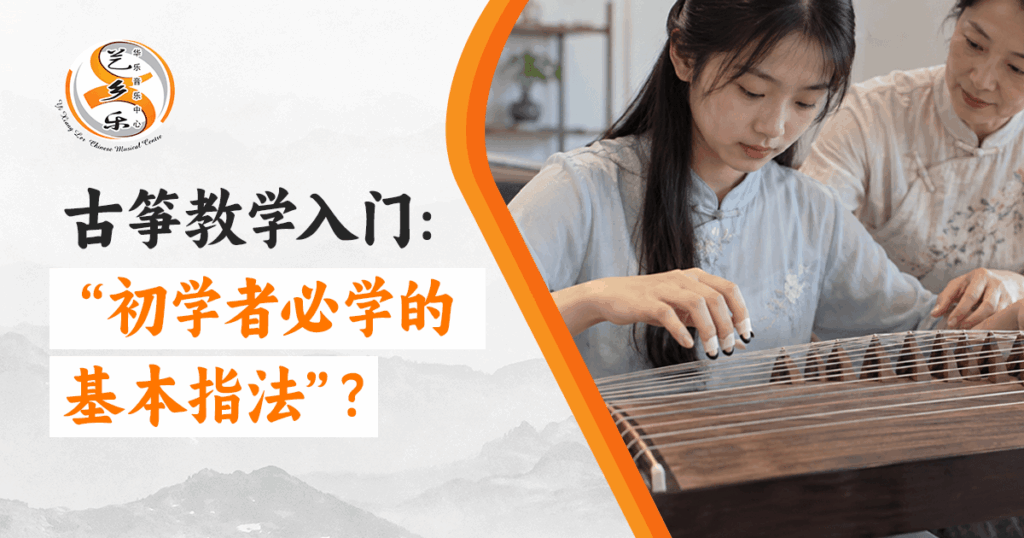
古筝教学入门:初学者必学的基本指法

古筝教学入门:初学者必学的基本指法

第一次坐在古筝前,许多初学者都会被眼前一排排琴弦吸引,同时也会有点不知所措:这么多弦,究竟应该从哪里开始? 其实,学习古筝不需要一开始就挑战完整乐曲。对初学者来说,更重要的是先熟悉坐姿、手型和基本指法。动作做对了,弹出来的声音会更清楚,之后学习节奏、旋律和难度较高的技巧也会顺利许多。 如果在刚开始学习时只追求把曲子弹完,却忽略指法和发力方式,手指很容易变得僵硬,音色也会不稳定。久而久之,错误动作形成习惯,之后要纠正就需要花更多时间。 这篇古筝教学入门指南,将带你认识初学阶段最常接触的基本指法,以及练习时需要注意的细节。 开始学指法前,先调整好弹奏姿势 正确的弹奏姿势不是为了看起来专业,而是为了让身体能够自然发力。坐下时,身体可以稍微靠近古筝的右侧,但不要紧贴琴身。琴凳的高度应让双臂抬起后保持自然,肩膀不需要耸起,手腕也不必刻意压低。双脚平稳踩在地面上,身体保持端正,同时避免过度挺胸或向前弯腰。 右手通常负责拨弦和演奏主要旋律;左手则多在琴码左侧进行按音、颤音和滑音,为乐曲增加变化和情感。 刚开始练习时,可以先记住一个简单原则:手臂要稳定,肩膀要放松,力量集中在手指,而不是每弹一个音就带动整只手臂。 如何正确佩戴古筝义甲? 义甲是古筝弹奏中不可缺少的工具。义甲的位置和角度,会直接影响触弦时的手感和音色。佩戴时,义甲一般固定在手指指腹一侧,前端略微超出指尖。胶布需要贴稳,但不能缠得太紧。如果手指出现麻木、发白或明显不适,说明胶布可能绑得过紧。 义甲伸出太长,拨弦时会难以控制;位置太短,则容易让手指碰到琴弦。初学者可以在老师的指导下调整,找到适合自己手指长度的位置。佩戴完成后,可以轻轻拨动琴弦测试。如果义甲容易晃动或发出明显杂音,应先重新调整,再开始正式练习。 初学者必学的右手基本指法 古筝的右手指法有很多,但初学阶段不需要全部一次学完。先掌握托、劈、抹、挑和勾,已经能够应付不少基础练习和简单乐曲。 1. 托:大拇指向外拨弦 “托”是古筝入门时最常学习的指法之一。 弹奏时,大拇指向身体外侧拨弦。动作应由大拇指完成,手腕保持稳定,不需要整只手向外甩动。练习托指时,可以选择一根琴弦重复弹奏,注意每个音的音量是否接近。不要为了弹得响而过度用力。清楚、稳定的声音,比单纯追求音量更重要。   2. 劈:大拇指向内拨弦 “劈”的动作方向与托相反,由大拇指向手掌内侧拨弦。 初学者常出现的问题,是劈完之后整个手型跟着收紧。比较理想的状态是:大拇指完成动作后,其他手指仍然保持自然弯曲,手腕也没有明显下沉。托和劈可以安排在一起练习。先用较慢的速度交替弹奏,确认两个方向的音量和节奏保持一致,再逐渐提高速度。   3. 抹:食指向内拨弦 “抹”是食指向手掌方向拨弦的动作。 练习时,食指不需要伸得太直,也不应勾入琴弦太深。触弦后自然收回即可。如果动作过大,容易碰到旁边的琴弦,也会影响下一次拨弦的速度。抹经常与托配合出现。初学者可以先分别练习两个指法,熟悉之后再尝试“抹、托”交替。   4. 挑:食指向外拨弦 “挑”与抹的方向相反,由食指向外拨弦。 挑指看起来简单,但很多初学者会因为用力过大,让手腕跟着向上抬。正确练习时,动作应保持小而清楚,完成拨弦后迅速回到自然手型。可以通过抹、挑交替练习,感受食指在两个方向拨弦时的力度变化。   5. 勾:中指向内拨弦 “勾”主要由中指向手掌方向拨弦。 由于中指通常比其他手指更有力量,初学者很容易把勾弹得太重。练习时,要注意它与托、抹等指法之间的音量平衡。勾和托是古筝中常见的组合。练习时可以分别弹奏不同琴弦,先确保每个音清楚,再练习连续转换。 常见的组合指法 掌握单一指法后,就可以开始接触简单的组合技巧。这些技巧会让旋律听起来更加丰富,也能训练不同手指之间的配合。 1. 小撮与大撮 “撮”是两个手指同时拨动两根琴弦,让两个音一起出现。小撮通常由大拇指与食指配合,大撮则常由大拇指与中指配合。练习重点不是把两个音弹得很大声,而是让它们在同一时间出现,并保持音量平衡。如果总是有一个音先出现,可以先放慢动作,观察两个手指是否同时接触琴弦。等动作稳定后,再恢复正常速度。   2. 花指 花指通常由大拇指快速连续拨动数根琴弦,用来连接旋律或增加装饰效果。初学者练习花指时,容易只顾速度,结果每个音黏在一起,听起来不够清楚。建议先减少经过的琴弦数量,用较慢的动作练习,确认声音均匀后再逐渐加快。   3. 刮奏 刮奏会连续经过多根琴弦,制造出流动、明亮的声音,是古筝音乐中很有代表性的效果。弹奏时,应让手指自然经过琴弦,不必用力压住。动作太重会使声音变得生硬,也可能让手腕紧张。初学阶段可以先练习短距离刮奏,再慢慢扩大范围。 左手需要掌握哪些基本技巧? 古筝的左手不只是配合右手,也负责改变音高和修饰音色。按得太轻,音高变化不够;按得太重,则容易让声音显得僵硬。因此,左手练习特别需要耐心。 1. 按音 按音是在琴码左侧按压琴弦,使原本的音升高。练习时,应根据目标音高控制力度,而不是把琴弦按得越低越好。按音最重要的是音准,可以先听老师示范或配合调音工具,确认按弦后的音是否正确。   2. 颤音 颤音是通过左手在琴码左侧有规律地轻按琴弦,让声音产生细微波动。好的颤音应该自然、连贯,而不是忽快忽慢。初学者可以先弹一个较长的音,再用左手慢慢按动琴弦。熟悉动作后,才逐步调整颤动的速度和幅度。   3. 上滑音与下滑音 滑音能让两个音之间的变化更加连贯。上滑音通常是先拨弦,再由左手按压琴弦,使音高逐渐上升。下滑音则会先按住琴弦,拨弦后再慢慢放松,让音高回落。练习滑音时,不要突然用力按下或快速放开。速度、力度和音准需要互相配合,才能弹出自然的效果。 古筝初学者常见的指法问题 初学者在练习过程中出现错误很正常,重点是尽早发现并调整。 常见问题包括: 肩膀不自觉耸起,弹一会儿就感到疲劳 手腕压得太低,影响手指活动 拨弦动作太大,容易碰到旁边的琴弦 义甲触弦角度不稳定,产生杂音 每个手指的音量差距太大 只顾着加快速度,忽略节奏和音色左手按弦时力度不准确,导致音准出现偏差 如果弹奏几分钟后,手腕、手指或肩膀出现明显疼痛,应先暂停练习并检查姿势。正常练习可能会让手指感到轻微疲劳,但不应该持续疼痛。 每天应该怎样练习古筝基本指法? 基本功不一定要一次练很久,规律比时长更加重要。初学者可以把每天的练习分成几个部分: 用两至三分钟检查坐姿、手型和义甲位置。 选择托、劈、抹、挑或勾其中一项,进行慢速单音练习。 练习托劈、抹托、勾托等简单组合。 使用节拍器,保持每个音之间的距离稳定。 加入简单的左手按音、颤音或滑音练习。 最后用一首熟悉的短曲,把当天练过的指法放入旋律中。 每天安排十五至二十分钟练习基本指法,通常比周末一次练习几个小时更有效。手指需要时间熟悉动作,过度练习反而容易导致紧张和疲劳。 学古筝可以完全自学吗? 现在网上有很多古筝教学影片,可以帮助初学者认识琴弦、指法和简单乐曲。不过,影片只能展示动作,无法判断你的手型、力度和音准是否正确。有些错误从自己的角度看并不明显,例如手腕轻微下压、义甲角度偏斜,或拨弦后手指没有及时放松。经过一段时间重复后,这些动作可能会变成习惯。 专业古筝老师可以根据学生的年龄、手型、学习速度和目标调整教学内容,并在问题刚出现时及时纠正。即使平时以自主练习为主,定期接受老师指导,也能减少走弯路的情况。 相关内容:一对一古筝教学 vs 小班教学,哪个更适合你? 古筝基本功,需要时间慢慢累积 学习古筝没有必要急着与别人比较进度。有人很快就能记住乐谱,却需要更多时间改善音色;也有人手指动作稳定,但在节奏方面需要反复练习。这些都是正常的学习过程。 对于初学者来说,先把托、劈、抹、挑、勾等基本指法练稳,再慢慢加入撮、花指、颤音和滑音,会比一开始就追求高难度曲目更实际。 每一次清楚的拨弦、每一个准确的按音,都是在为之后的演奏打基础。只要保持正确方法和稳定练习,你会逐渐发现,原本陌生的琴弦开始变得熟悉,双手也能更自然地配合。 准备好开始你的古筝学习之旅了吗? 从正确手型和基本指法开始,在专业老师的指导下稳步打好基础。艺乡乐提供适合儿童与成人的古筝教学课程,零基础也能轻松开始。

5 Erhu lesson tips for beginners learning basic techniques and skills.

Erhu Lessons: 5 Things Every Beginner Should Know

The erhu has only two strings and a relatively simple appearance. However, once beginners pick up the bow, many quickly discover that producing a clean, stable, and pleasant sound is not as easy as it looks. Some beginners experience scratching or squeaking sounds. Others can find the notes but struggle with accurate intonation. Some may also feel tension in their wrists, shoulders, or arms after practising for only a short time. These challenges do not mean that you lack musical talent. The erhu is an instrument that requires careful coordination between body movement, bow control, finger placement, and listening skills. It is completely normal for beginners to experience unstable tone, inaccurate pitch, or awkward bowing during the early stages of learning. Instead of rushing to play a complete song, it is more important to first develop proper posture, bowing technique, finger placement, and practice habits. A strong foundation will make learning new pieces much easier in the future. If you are planning to learn the erhu, here are five important things that every beginner should know 1. Your First Erhu Does Not Need to Be Expensive, but It Must Be Suitable When buying an erhu, many beginners immediately focus on the price. Some worry that an inexpensive instrument will not be good enough, while others simply choose the cheapest option because they are unsure whether they will continue learning. In reality, a beginner’s first erhu does not need to be a professional-level instrument. However, choosing an instrument based only on price can also create unnecessary difficulties. A good beginner erhu should have a stable structure, reliable tuning pegs, and a sound that is reasonably easy to control. If the tuning pegs constantly slip and the strings go out of tune, beginners may struggle to determine whether the problem comes from their finger placement or the instrument itself. Other components, including the bridge, strings, qianjin, and bow hair, can also affect sound production. If any of these parts are poorly adjusted, beginners may feel that the erhu is extremely difficult to play. Before purchasing an erhu, listen carefully to both the inner and outer strings. Check whether the volume and tone of the two strings are reasonably balanced and whether there are any unusual noises while bowing. The neck should be straight, and the resonator and python skin should not show obvious damage. If you are unfamiliar with the structure of the erhu, it is advisable to ask an experienced teacher or player for assistance. For beginners, an instrument that stays in tune and produces a stable sound is far more important than expensive wood, decorative features, or professional-level specifications. As your playing ability and musical ear develop, you can later upgrade to an instrument that better suits your preferred tone and playing style. 2. Proper Posture Helps Produce a More Stable Sound When learning the erhu, teachers often spend a significant amount of time correcting posture and hand position. These exercises may not feel as exciting as learning a song, but they directly affect bowing, intonation, comfort, and long-term playing ability. When practising, sit towards the front half of the chair with both feet resting naturally on the floor. Keep your upper body upright but relaxed. Avoid forcing yourself into a stiff position. The erhu resonator should usually rest near the upper part of the left thigh, while the neck of the instrument is positioned slightly forward. Avoid moving your entire body from side to side while bowing. You should also avoid constantly lowering your head to watch your fingers. When holding the erhu with your left hand, the space between the thumb and index finger should gently support the neck rather than gripping it tightly. Keep the wrist relaxed and natural, allowing the fingers to curve comfortably over the strings. If the wrist bends excessively inward, finger movement can become restricted. Similarly, using too much pressure with the thumb can make shifting positions and finger movement more difficult. The right hand should also remain relaxed while holding the bow. Many beginners worry that the bow may slip, so they grip it too tightly. This often causes the shoulder to rise, the wrist to become stiff, and the sound to become rough. The goal is not to tightly hold the bow. Instead, your fingers should remain flexible enough to adjust naturally during both up-bows and down-bows. When practising, try using a mirror to observe your posture. Check whether your shoulders are balanced, whether your wrists are excessively bent, and whether the erhu remains stable while you play. Correcting small posture problems early can prevent them from becoming difficult habits later. 3. Master Open Strings Before Learning Songs When beginners first start learning the erhu, many are eager to immediately play a familiar song. Motivation is important, but learning a complete piece too early can sometimes cause incorrect techniques to become repeated habits. The sound of the erhu is produced mainly through the movement of the bow across the strings. If bow speed, pressure, direction, or contact point is unstable, the sound may become scratchy, harsh, uneven, or interrupted. For this reason, erhu lessons usually begin with open-string exercises. Open-string practice allows beginners to focus entirely on the right hand without needing to worry about finger placement at the same time. When practising long bows, try using the full length of the bow to produce a continuous and steady sound. The bow should travel in a consistent direction without suddenly moving upward or downward. Try to maintain a stable speed throughout the bow stroke. Sudden acceleration or changes in pressure can affect the quality of the sound. As you approach the frog or tip of the bow, the wrist and fingers need to adjust naturally to maintain a smooth and connected tone. If you hear excessive scratching sounds, do not immediately apply more pressure. Instead, check the following: Are your shoulders tense? Is the bow hair pressing too heavily against the strings? Is the bow moving in the correct direction?

二胡教学初学者学习二胡的五个重要注意事项

二胡教学:初学者必知的 5 件事

二胡只有两根弦,外形也不复杂,但真正拿起琴弓后,很多初学者才发现,要拉出一个干净、稳定的声音并不容易。有些人刚开始练习时会听到明显的摩擦声,有些人能找到音,却总觉得旋律不够准确,也有人因为手腕和肩膀太紧,练习一会儿便感到疲累。 这些情况并不代表你没有音乐天分。二胡本来就是一件对动作细节和听觉要求较高的乐器,学习初期出现杂音、音准不稳或运弓不顺都很正常。与其急着把一首歌曲拉完,不如先把持琴、运弓、按弦和练习方法掌握好。基础建立得越稳定,之后学习新曲目就越轻松。 如果你正准备学习二胡,以下五件事可以帮助你少走一些弯路。 一、第一把二胡不必最贵,但一定要适合练习 许多初学者在买二胡时,会先从价格判断好坏。有人担心入门琴不够好,也有人想先买一把最便宜的试试看。其实,初学者的第一把二胡不一定要达到专业演奏级别,但也不能只看价格。 一把适合入门的二胡,最重要的是结构稳定、调音顺畅,而且声音不会太难控制。如果琴轴容易松动,刚调好的音很快便跑掉,学习者就很难判断到底是自己的手指位置不正确,还是乐器本身出了问题。琴码、琴弦、千斤和弓毛的状态同样会影响声音。任何一个部分安装不当,都可能让初学者觉得二胡特别难拉。 购买前可以先试听内弦和外弦的声音,观察两根弦的音量是否相差太大,以及拉弓时有没有明显的异常杂音。琴杆应该保持笔直,琴筒和琴皮也不应出现明显损坏。如果完全不熟悉二胡的结构,最好请老师或有经验的演奏者协助选择。 初学阶段选择一把容易调音、发音稳定的二胡,比追求昂贵木材或复杂装饰更实际。等到演奏能力和听觉逐渐成熟后,再根据喜欢的音色升级乐器也不迟。 二、姿势正确,声音才会稳定 初学二胡时,老师往往会花不少时间调整坐姿和手型。这些动作看起来不像在“学歌曲”,却会直接影响之后的运弓、音准和演奏舒适度。 练习时,可以坐在椅子的前半部,让双脚自然踩稳地面。上半身保持直立,但不要刻意挺得僵硬。琴筒通常放在左大腿根部附近,琴杆稍微向前倾。身体不需要跟着琴弓左右摇晃,也不要为了看清手指而长时间低头。 左手持琴时,虎口只需轻轻接触琴杆,不要把琴杆夹得太紧。手腕应保持自然,手指以弯曲的状态落在琴弦上。如果手腕过度向内凹,手指会很难灵活移动;如果拇指过度用力,换把和按弦也会变得不顺。 右手握弓同样需要放松。很多初学者担心琴弓滑掉,会下意识地把弓抓得很紧,结果肩膀抬高、手腕僵硬,声音也容易变得粗糙。握弓的重点不是用力抓住,而是让手指能够随着推弓和拉弓自然调整。 刚开始练习时,可以对着镜子观察自己的肩膀是否平衡,手腕有没有过度弯曲,琴杆是否一直保持稳定。姿势上的小问题若能尽早纠正,就不会在日后变成难以改变的习惯。 三、先把空弦拉好,再开始练习歌曲 不少学生第一次接触二胡时,最想做的就是马上拉一首熟悉的歌曲。这样的学习动力当然很好,但如果连基本运弓都还不稳定,过早练习完整曲目,往往只会让错误动作重复出现。 二胡的声音主要由琴弓带动琴弦产生。弓速、力度、方向和接触位置只要有一项不稳定,就可能出现沙哑、尖锐、忽大忽小或断断续续的声音。因此,二胡教学通常会先安排空弦练习,让学生暂时不使用左手按音,专心感受右手运弓。 练习长弓时,可以尝试用一整弓拉出持续、平稳的声音。琴弓应尽量沿着稳定的方向运行,不要忽然向上或向下偏移。推弓和拉弓时,也要避免在中途突然加速。接近弓根或弓尖时,手腕和手指需要自然配合,才能让声音保持连贯。 如果听到明显的摩擦声,不要马上加大力度。可以先检查肩膀是否紧张、弓毛是否贴弦过重,以及琴弓有没有偏离原本的方向。有时候问题并不是力量不足,而是手部太僵硬。 每天认真练习几分钟空弦,长期效果往往比不断重复一首歌曲更明显。当运弓变得稳定后,音色会更饱满,换弦也会更自然,之后加入左手指法时便不需要同时处理太多问题。 四、二胡没有品格,音准要靠手指和耳朵一起训练 吉他和部分弦乐器有明显的品格或位置标记,二胡却没有固定指板。手指按弦的位置只要前后偏差一点,音高就可能改变。这也是许多初学者觉得二胡音准难以掌握的主要原因。 学习基本指法时,不要只记住手指应该放在哪里,也要认真听每一个音是否准确。刚开始可以在老师指导下确认基本手位,再通过音阶练习建立手指之间的距离感。练习速度应该放慢,让每个音都能被清楚听见。 调音器可以帮助初学者检查音高,但它更适合作为辅助,而不是唯一的判断标准。如果练习时一直盯着屏幕,可能会忽略自己真正听到的声音。比较好的方法是先拉出一个音,凭听觉判断高低,再使用调音器确认。久而久之,耳朵便会逐渐记住正确音高。 唱音也是有效的练习方式。拉奏一小段旋律前,可以先把音唱出来,确认旋律走向后再用二胡演奏。唱得准确,通常也更容易找到正确的手指位置。 初学者偶尔拉不准并不可怕,真正需要避免的是在没有察觉的情况下反复练习错误音高。每次发现音不准时,应先停下来判断它是偏高还是偏低,再慢慢移动手指,而不是快速滑动寻找音高。 五、每天练一点,比周末一次练几个小时更有效 学习二胡需要身体逐渐熟悉动作,也需要耳朵适应音高和音色。这些能力很难在短时间内一次完成,因此练习频率通常比单次练习时长更重要。 对于刚开始学习二胡的人来说,每天练习二十至三十分钟已经足够。开始时可以先调音,并检查坐姿、持琴和握弓是否正确。接下来练习空弦与长弓,再进行音阶、指法和简单乐曲练习。这样的顺序能让手部逐渐进入状态,也能避免一开始就直接面对困难段落。 如果某一段旋律总是拉不好,不必每次都从歌曲开头重新练习。可以把困难部分缩小到两三小节,用较慢的速度重复。先处理音准,再处理节奏,最后才加入适当的力度和情感。把问题拆小,通常比一直完整演奏更容易看见进步。 录音也是很实用的学习方法。演奏时,我们往往忙着看手指和控制琴弓,不一定能及时发现节奏或音色的问题。录下练习过程后再听一次,可以更客观地判断哪些地方不够稳定。 如果练习时感到手腕、肩膀或背部疼痛,应该先停下来检查姿势,而不是忍着继续。正常练习可能会带来轻微疲劳,但不应该持续疼痛。学习乐器是一段长期过程,保持放松和规律,比勉强延长练习时间更重要。 初学二胡一定要找老师吗? 现在网上有不少 二胡教学 影片,内容涵盖调音、持琴、运弓和歌曲示范,对初学者来说是很方便的参考资料。不过,影片只能展示动作,无法判断学习者是否做得正确。 例如,同样是拉出杂音,原因可能来自握弓过紧、弓速不均、接触点不稳定,甚至是琴码或琴弦安装不正确。如果没有人从旁观察,初学者可能会不断尝试,却一直找不到真正原因。 在学习初期接受二胡老师的指导,可以更快发现姿势和动作上的问题。老师也能根据学生的手型、年龄、学习速度和目标安排练习内容。即使无法每周上课,也可以定期请老师检查,再配合个人练习和线上资源,这样通常比完全自行摸索更有效率。 没有音乐基础,也可以学习二胡吗? 没有音乐基础并不会阻碍学习二胡。大多数初学课程都会从最基本的坐姿、持琴、运弓和节奏开始,简谱和基础乐理也会在学习过程中逐步接触。 成年人开始学二胡也不算迟。成人通常更清楚自己的学习目标,也比较能够理解老师对动作和声音的解释。真正影响进度的,往往不是年龄,而是有没有持续练习,以及是否愿意从基础慢慢开始。 至于多久能够拉出一首完整歌曲,并没有固定答案。有些学生几周后便能演奏简单旋律,有些学生需要较长时间适应运弓和音准。比起急着完成歌曲,更值得关注的是声音是否稳定、节奏是否清楚,以及演奏时身体能否保持放松。 相关内容:孩子几岁开始学二胡比较好? 结语 二胡入门最重要的,并不是一开始能拉多少首歌曲,而是有没有建立正确的学习方法。一把状态稳定的二胡、自然放松的姿势、扎实的空弦练习、持续的音准训练,以及规律的练习安排,都会影响之后的学习进度。 刚开始时声音不够好听,是每位学习者都会经历的阶段。只要能够听见自己的问题,并在每次练习中改善一点,音色和动作就会逐渐稳定。二胡的魅力也正在这个过程中慢慢出现——从最初不受控制的声音,到能够用两根弦表达一段完整的旋律。 想从正确的方法开始学习二胡? 欢迎预约初学者二胡体验课。老师会根据你的学习情况,从持琴姿势、基础运弓、指法和音准开始逐步指导,帮助你及时纠正常见问题,建立稳定的演奏基础,让学习二胡的过程更轻松、更有方向。