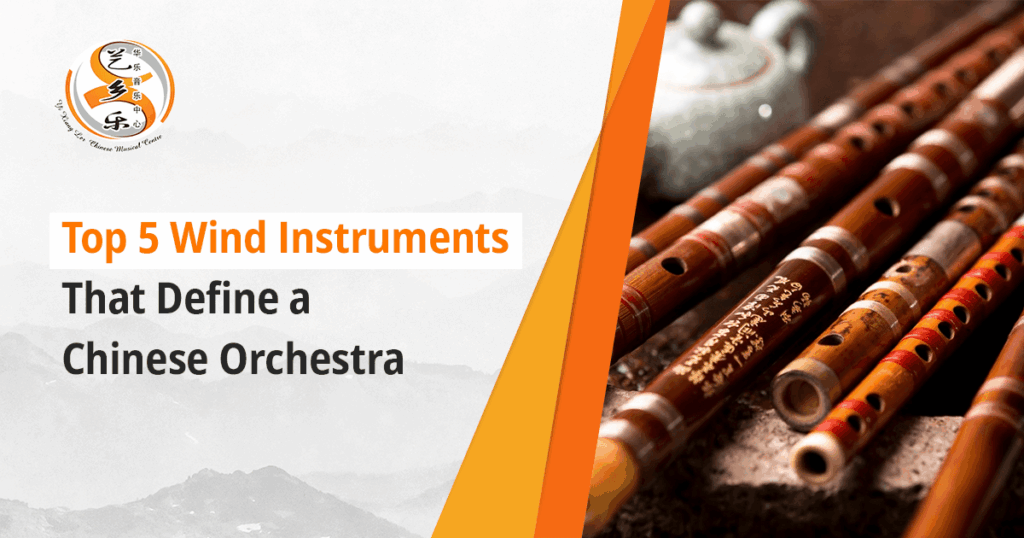
Learning Chinese traditional music is a journey that connects you with history and creativity at the same time. Each instrument has its own personality. For example, the Guzheng with its flowing strings, the Erhu with its heartfelt tones, and the Dizi with its bright, lively sound. Finding the right place to learn isn’t just about convenience or cost. It’s about choosing a center that understands your goals, helps you grow, and keeps your love for music alive.
In this guide, we’ll walk you through everything you should consider when selecting a Chinese traditional music instrument center, so you can start your musical class on the right note.
A Complete Guide to Choosing Your Chinese Traditional Music Center
1. Consider Your Learning Goals
It is important to think about why you want to learn music. Your learning goals will influence which music center or teacher is the best fit for you. Some Chinese traditional music instrument centers place strong emphasis on classical techniques and structured training. They may prepare students for graded examinations and performances, which can be ideal for those who wish to develop their skills seriously or even perform professionally one day.
Other centers focus more on enjoyment and cultural appreciation. They may offer group classes, ensemble sessions, and flexible learning schedules, creating a relaxed environment where students can simply enjoy playing music together and sharing the experience.
By clearly understanding your own objectives, you will find it much easier to choose a music center that matches your expectations and supports your learning journey at the right pace.
2. Check the Qualifications of Teachers
The quality of instruction is perhaps the most important factor when choosing a music center. Experienced and well-trained teachers can guide you to develop correct techniques, appreciate the nuances of each instrument, and stay motivated throughout your learning journey.
Here are a few points to consider:
Professional background
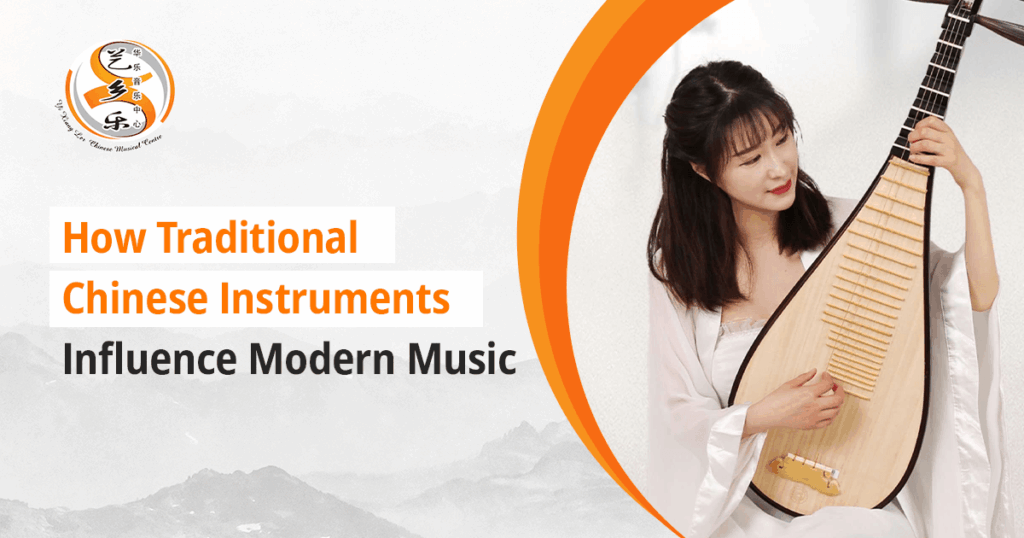
Teachers with formal education or professional performance experience in instruments like the Pipa or Erhu bring invaluable insights.
Teaching experience
A teacher’s ability to explain concepts clearly and adjust to students’ learning speeds is crucial.
Student engagement
Observe how the teacher interacts with students such as enthusiasm, patience, and encouragement are key indicators of a quality learning environment.
3. Evaluate the Instruments and Facilities
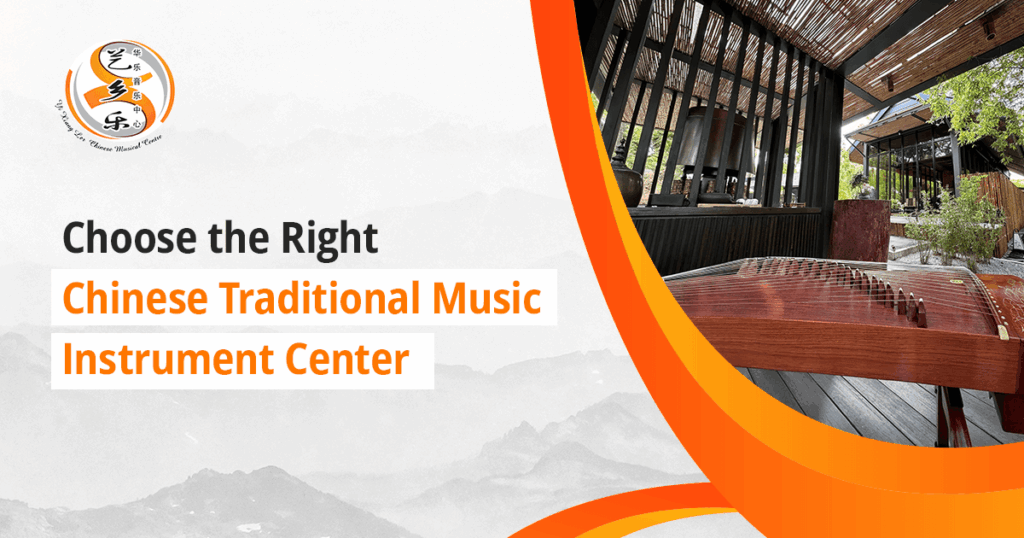
Hands-on experience plays a crucial role in learning any musical instrument. Before committing to a music center, it’s important to ensure that they provide well-maintained instruments for practice. Some centers may require students to bring their own instruments, while others provide instruments during music lessons, which can be especially convenient for beginners. This consideration is particularly important for stringed instruments like the Guzheng, Erhu, Yangqin, and Zhong Ruan, where proper tuning, sound quality, and maintenance greatly influence the learning process. Ensuring access to high-quality instruments allows students to develop correct technique, appreciate the instrument’s true sound, and gain confidence as they progress.
4. Class Structure and Teaching Method
Class structure can vary widely, so it’s essential to understand how a center delivers its lessons. Consider:
Private lessons vs. group classes
Beginners may benefit from one-on-one guidance, while group classes offer social interaction and ensemble experience.
Teaching style
Some centers emphasize technique first, others blend theory with performance from the start.
Opportunities for performance
Recitals, competitions, and ensemble participation give students the chance to apply their skills in real-world settings while building confidence and stage presence. Some music centers even organize regular performances featuring Chinese orchestra instruments, allowing students to experience playing in a full ensemble and share their progress with a wider audience. These opportunities not only enhance technical skills but also cultivate teamwork, musical expression, and a deeper appreciation for Chinese music.
5. Reviews, Reputation, and Student Success
Word-of-mouth recommendations and online reviews provide valuable insight into the quality of a music center. Look for student testimonials, success stories, and feedback on the center’s website. You can also ask friends or acquaintances for their experiences. These sources reflect the center’s teaching standards and overall environment.
A strong reputation built on consistent results and satisfied students. It shows that you can expect reliable guidance, quality instruction, and support throughout your musical journey.
6. Trial Class or Consultation
Many music centers offer trial classes or consultation sessions, which are a great way to experience the teaching style and environment before committing. Use this session to ask questions, observe how other students interact, and see if you feel comfortable and motivated in the setting. Participating in a trial class can help you avoid costly mistakes and ensure that the center is a good fit for your learning goals from the very beginning.
Conclusion
Choosing the right Chinese traditional music instrument center is about more than location or cost. It’s about finding a place that nurtures your musical growth, aligns with your goals, and inspires your passion. By considering your objectives, evaluating teachers’ qualifications, checking instruments and facilities, understanding class structure, and reviewing student success, you can make an informed decision and start your journey with confidence.