Month: March 2026

适合孩子开始学二胡的年龄段

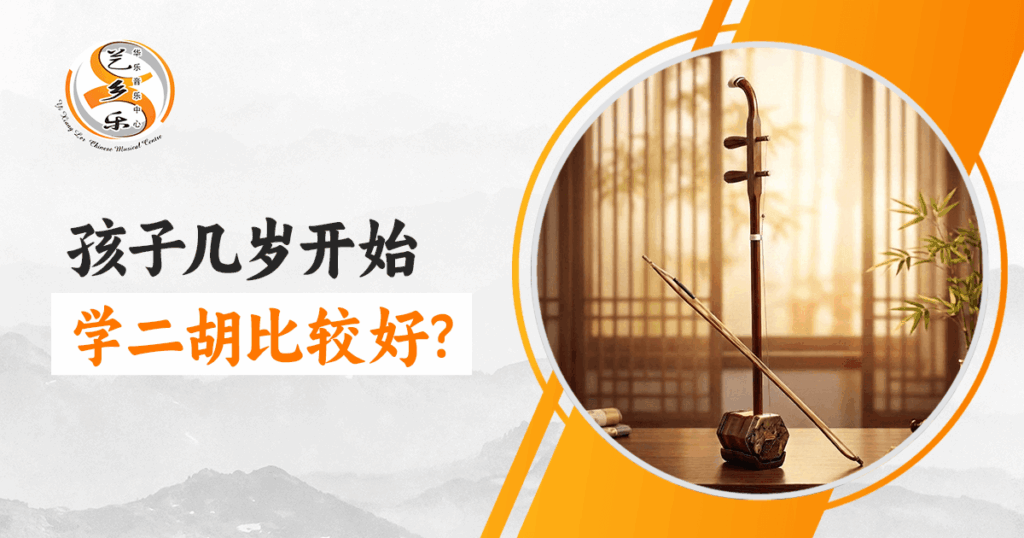
孩子几岁开始学二胡比较好?

相信很多家长都会有同一个疑问,就是看到别人家的孩子已经开始学乐器了,就会开始想自己的孩子是不是也该学了,尤其是二胡这种看起来“有点难”的乐器,更容易让人犹豫。太早学怕孩子拿不稳、听不懂,太迟学又担心错过培养基础的好时间。我们接触过不少家长之后发现,大家最担心的不是孩子学不会,而是选错时间,结果孩子很快就没有兴趣。所以,比起一开始就追求“几岁最适合”,其实更重要的是看孩子现在的状态适不适合开始。 孩子学二胡的最佳年龄范围 一般来说,大部分孩子在5岁到8岁之间开始接触二胡课程会比较合适,因为这个阶段的手部发展已经比较稳定,不会连弓都握不住,同时也能听懂老师的简单指示,比如放慢一点或者再试一次。另外,这个阶段的专注力也慢慢建立起来,可以安静坐下来练习一小段时间。不过这只是一个参考范围,并不是一定要刚好这个年龄才可以学,有些孩子比较早对音乐有感觉,四岁也可以开始,有些孩子七八岁才接触,但反而学得更稳,所以关键还是在孩子本身,而不是年龄数字。 太早学 vs 太迟学,会有什么影响? 太早开始(3-4岁) 如果太早让孩子接触二胡,像三四岁这种阶段,通常会遇到的问题是手太小、控制力不够,拉出来的声音也不稳定,加上专注力还没建立,很容易因为做不到而觉得挫败,久而久之就失去兴趣。 太迟开始(9岁以上) 如果是九岁以后才开始学,其实理解能力会更好,上课也更容易吸收,只是基础需要慢慢建立,如果没有持续练习,进步可能会比较慢。换句话说,不是不能太迟学,而是需要多一点耐心和时间去累积。 判断孩子是否适合开始学二胡 与其一直纠结几岁开始,其实家长可以先简单观察孩子的状态。比如孩子对音乐是否有兴趣,听到音乐会不会有反应,也可以看看他能不能安静坐着十分钟左右。你也可以给他看看二胡的演奏或相关内容,观察他是否愿意跟着老师的指示去做。这些其实都比单纯看年龄更重要。 如果这些条件大致都OK,其实就可以让孩子尝试看看。有时候不是孩子不适合,而是还没到那个时间点,一旦准备好了,学习会顺很多。 学二胡对孩子的好处 很多家长最初让孩子学二胡,可能只是希望培养一个兴趣,让孩子接触音乐。但随着时间推移,会发现二胡带来的影响远不止会拉一首歌那么简单。它对孩子的长期成长有很多正面作用。 专注力的提升 在练习二胡的过程中,孩子需要慢慢调整每一个音的音准,拉弓和按弦都不能太急。这个练习过程不仅训练了手部协调,也让孩子慢慢学会安静地专注一件事情。随着练习的积累,他们的注意力会逐渐延长,在其他学习或日常生活中也会有所体现。 耐心的培养 二胡一开始可能拉得不太好听,孩子很容易觉得挫败。但通过持续练习,他们会看到自己的进步,音色越来越稳定。这种从不完美到逐渐掌握的过程,能让孩子养成坚持和耐心的习惯,懂得努力的价值。 手眼协调能力 拉二胡需要左手按弦、右手拉弓,两边动作必须配合。这个动作训练不仅是音乐技能的提升,也能帮助孩子发展手眼协调能力和身体控制能力,对于写字、绘画或其他精细动作都有好处。 自信心的建立 当孩子能够完整拉出一首旋律,甚至在家人或朋友面前表演时,他们会感受到成就感和满足感。这种体验不仅增强了孩子的自信心,也让他们更愿意尝试新事物、迎接挑战。 总结 所以回到一开始的问题,孩子几岁开始进入二胡班比较好,其实并没有一个固定答案。5到8岁是一个常见的起点,但更重要的是孩子有没有兴趣、有没有基本的专注力,以及愿不愿意学习。只要这些条件具备,无论早一点还是晚一点开始,都不算迟。 想让孩子试试看二胡? 如果你也在考虑让孩子学习二胡,可以先了解课程安排或让孩子体验看看,找到适合的学习方式,孩子会更容易坚持,也更享受这个过程。

Traditional Chinese instruments influence modern music.

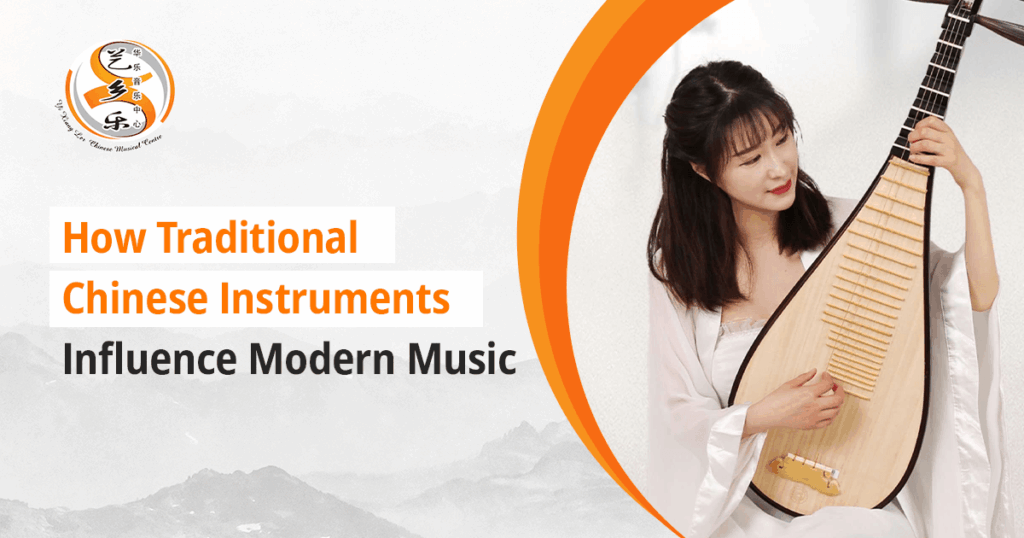
How Traditional Chinese Instruments Influence Modern Music

Traditional Chinese instruments have a charm that is both timeless and emotive. Instruments like the erhu, pipa, guqin, and dizi have been part of Chinese culture for centuries, carrying stories, emotions, and a deep sense of heritage. In recent years, these instruments have found their way into modern music, bridging the gap between history and contemporary sounds. From pop hits to film scores, their influence is reshaping how artists compose and produce music today. Overview of Traditional Chinese Instruments Traditional Chinese music instruments are an integral part of China’s musical heritage, carrying centuries of cultural history and artistic expression. Instruments such as the erhu, pipa, guqin, and dizi represent just a few examples of the wide variety of sounds in this tradition. Collectively, these instruments are highly expressive, capable of conveying deep emotion, and often used to evoke specific moods or atmospheres. Rather than being limited to classical performances, these instruments possess unique tonal qualities, textures, and playing techniques that modern musicians can incorporate into contemporary compositions. Their versatility allows them to blend seamlessly with a variety of music genres, from pop and electronic music to film scores and jazz. This adds richness, depth, and cultural resonance to modern sounds. By looking at traditional Chinese instruments as a whole, we can appreciate their lasting influence and understand why they continue to inspire innovation in modern music. Traditional Instruments in Modern Music Genres 1. Pop Music Pop artists have increasingly incorporated Chinese instruments to give their songs a fresh twist. For example, erhu solos often appear in ballads to add emotional weight, while the pipa might provide delicate, intricate riffs that make a chorus stand out. The combination of modern beats with traditional instruments gives songs a unique East-meets-West flavor that appeals to a wide audience. 2. Electronic/EDM In the world of electronic music, traditional instruments are sampled or digitally recreated to add a human touch to synthetic sounds. Imagine a dizi melody floating over a bass drop or a guqin pattern layered with electronic synths—this fusion creates music that is both culturally rooted and futuristic. DJs and producers are increasingly experimenting with this blend, offering listeners a novel sonic experience. 3. Film and Game Soundtracks Chinese instruments are perfect for storytelling. In films and video games, composers use them to evoke emotion and atmosphere. For example, the erhu can intensify a dramatic scene, while the pipa might signal tension or suspense. This is why many international productions are now turning to traditional Chinese instruments for their scores—they provide a richness and authenticity that modern orchestration alone cannot replicate. 4. World Music / Jazz Even genres like jazz and world music have embraced Chinese instruments. Jazz artists incorporate the dizi or erhu into improvisations, blending Eastern scales with Western harmonies. This cross-cultural experimentation not only challenges musicians creatively but also introduces audiences to new textures and tonalities. Influence on Composition & Music Production The presence of traditional Chinese instruments has influenced how composers structure their music. Many modern tracks now adopt pentatonic scales, a signature of Chinese music, to create melodies that feel both familiar and exotic. This influence is especially evident in works inspired by Chinese orchestra instruments, where layered arrangements and rich tonal textures shape the overall composition. Producers often spend extra time ensuring that the acoustic nuances of these instruments are preserved, whether through live recordings or digital sampling. The goal is to maintain authenticity while making the instruments sit naturally in a contemporary mix, allowing traditional elements to blend seamlessly with modern production styles. Challenges and Adaptations 1. Difficulty in Maintaining Authenticity Integrating traditional instruments into modern music is not always straightforward. Artists must strike a balance between preserving the instrument’s natural sound and adapting it to fit contemporary genres. Overprocessing can strip away its character, while underprocessing might make it feel out of place. 2. Technical Challenges in Production Recording instruments like the erhu or guqin requires careful mic placement and attention to room acoustics. Mixing them alongside drums, synths, or heavy basslines can be tricky, as the delicate tones can easily get lost. 3. Audience Reception Listeners’ reactions can vary. Some appreciate the blend of traditional and modern sounds, finding it fresh and sophisticated. Others, especially purists, may feel that the original essence of the instrument is compromised. Musicians need to navigate these perceptions carefully. Conclusion Traditional Chinese instruments have proven that they are not just relics of the past. Their sounds are vibrant, emotional, and adaptable, making them perfect companions for modern music across genres. By blending heritage with innovation, artists can create music that resonates deeply while introducing these timeless instruments to a new generation of listeners. Discover the Magic of Traditional Chinese Instruments in Modern Music Curious about how traditional sounds can transform modern music? Explore our curated music performances and discover tracks where heritage meets innovation. Dive into the world of Chinese instruments and hear the past play in the present!

Choose the best Chinese Traditional Music Instrument Center near you

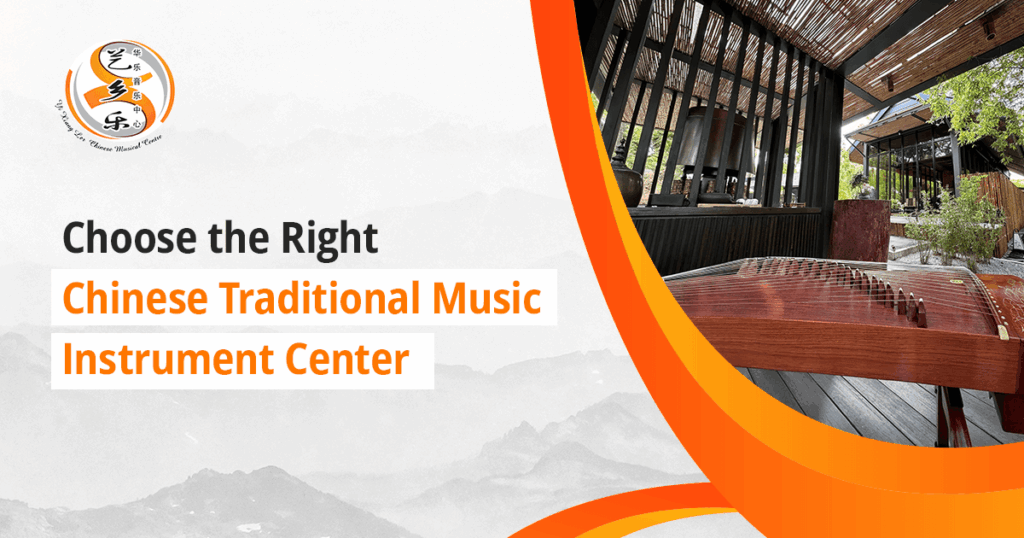
Choose the Right Chinese Traditional Music Instrument Center

Learning Chinese traditional music is a journey that connects you with history and creativity at the same time. Each instrument has its own personality. For example, the Guzheng with its flowing strings, the Erhu with its heartfelt tones, and the Dizi with its bright, lively sound. Finding the right place to learn isn’t just about convenience or cost. It’s about choosing a center that understands your goals, helps you grow, and keeps your love for music alive. In this guide, we’ll walk you through everything you should consider when selecting a Chinese traditional music instrument center, so you can start your musical class on the right note. A Complete Guide to Choosing Your Chinese Traditional Music Center 1. Consider Your Learning Goals It is important to think about why you want to learn music. Your learning goals will influence which music center or teacher is the best fit for you. Some Chinese traditional music instrument centers place strong emphasis on classical techniques and structured training. They may prepare students for graded examinations and performances, which can be ideal for those who wish to develop their skills seriously or even perform professionally one day. Other centers focus more on enjoyment and cultural appreciation. They may offer group classes, ensemble sessions, and flexible learning schedules, creating a relaxed environment where students can simply enjoy playing music together and sharing the experience. By clearly understanding your own objectives, you will find it much easier to choose a music center that matches your expectations and supports your learning journey at the right pace. 2. Check the Qualifications of Teachers The quality of instruction is perhaps the most important factor when choosing a music center. Experienced and well-trained teachers can guide you to develop correct techniques, appreciate the nuances of each instrument, and stay motivated throughout your learning journey. Here are a few points to consider: Professional background Teachers with formal education or professional performance experience in instruments like the Pipa or Erhu bring invaluable insights. Teaching experience A teacher’s ability to explain concepts clearly and adjust to students’ learning speeds is crucial. Student engagement Observe how the teacher interacts with students such as enthusiasm, patience, and encouragement are key indicators of a quality learning environment. 3. Evaluate the Instruments and Facilities Hands-on experience plays a crucial role in learning any musical instrument. Before committing to a music center, it’s important to ensure that they provide well-maintained instruments for practice. Some centers may require students to bring their own instruments, while others provide instruments during music lessons, which can be especially convenient for beginners. This consideration is particularly important for stringed instruments like the Guzheng, Erhu, Yangqin, and Zhong Ruan, where proper tuning, sound quality, and maintenance greatly influence the learning process. Ensuring access to high-quality instruments allows students to develop correct technique, appreciate the instrument’s true sound, and gain confidence as they progress. 4. Class Structure and Teaching Method Class structure can vary widely, so it’s essential to understand how a center delivers its lessons. Consider: Private lessons vs. group classes Beginners may benefit from one-on-one guidance, while group classes offer social interaction and ensemble experience. Teaching style Some centers emphasize technique first, others blend theory with performance from the start. Opportunities for performance Recitals, competitions, and ensemble participation give students the chance to apply their skills in real-world settings while building confidence and stage presence. Some music centers even organize regular performances featuring Chinese orchestra instruments, allowing students to experience playing in a full ensemble and share their progress with a wider audience. These opportunities not only enhance technical skills but also cultivate teamwork, musical expression, and a deeper appreciation for Chinese music. 5. Reviews, Reputation, and Student Success Word-of-mouth recommendations and online reviews provide valuable insight into the quality of a music center. Look for student testimonials, success stories, and feedback on the center’s website. You can also ask friends or acquaintances for their experiences. These sources reflect the center’s teaching standards and overall environment. A strong reputation built on consistent results and satisfied students. It shows that you can expect reliable guidance, quality instruction, and support throughout your musical journey. 6. Trial Class or Consultation Many music centers offer trial classes or consultation sessions, which are a great way to experience the teaching style and environment before committing. Use this session to ask questions, observe how other students interact, and see if you feel comfortable and motivated in the setting. Participating in a trial class can help you avoid costly mistakes and ensure that the center is a good fit for your learning goals from the very beginning. Conclusion Choosing the right Chinese traditional music instrument center is about more than location or cost. It’s about finding a place that nurtures your musical growth, aligns with your goals, and inspires your passion. By considering your objectives, evaluating teachers’ qualifications, checking instruments and facilities, understanding class structure, and reviewing student success, you can make an informed decision and start your journey with confidence.

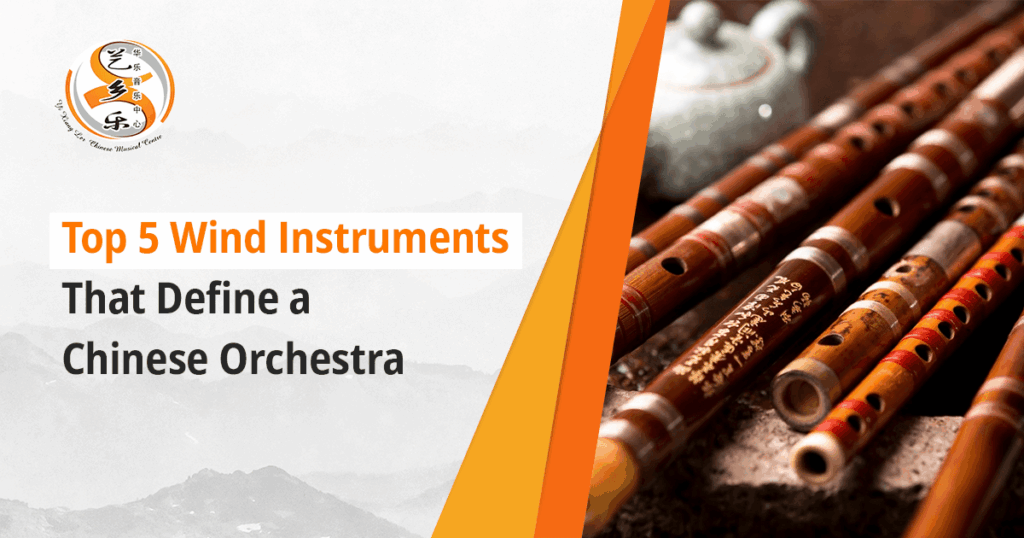
Top 5 Wind Instruments That Define a Chinese Orchestra

Close your eyes and imagine the sound of a Chinese orchestra: the strings hum softly, the percussion beats a steady rhythm, and above it all, the wind instruments sing, sometimes bright and piercing, sometimes mellow and haunting. It’s these wind instruments that give a Chinese orchestra its soul, carrying melodies that can make you feel the joy of a festival or the quiet reflection of a moonlit night. They are not just instruments; they are storytellers, echoing centuries of Chinese culture and emotion. In this article, we dive into the top five wind instruments that define the Chinese orchestra, exploring their history, sound, and the magic they bring to every performance. Why Wind Instruments Are Essential in a Chinese Orchestra Wind instruments in a Chinese orchestra instruments do more than play notes, they shape the character of the music. Unlike Western orchestras, where strings often dominate the melody, in Chinese orchestras, wind instruments can take center stage, creating emotional depth, dramatic tension, and subtle textures. From leading a lively folk tune to weaving a gentle background for strings, these instruments connect rhythm and melody in ways that evoke vivid stories. They carry the essence of traditional music, allowing listeners to feel the seasons, festivals, and folklore through sound. The Top 5 Wind Instruments Before we explore each instrument in detail, it helps to understand that wind instruments bring color and character to a Chinese orchestra. Their sounds can range from bright and lively to soft and reflective, allowing musicians to express different moods and stories through music. Among the many wind instruments used in traditional ensembles, a few stand out for their distinctive tone and important role in shaping the orchestra’s overall sound. The following five instruments are widely recognized for their unique voices and lasting influence in Chinese orchestral music. 1. Dizi (笛子) The Dizi is perhaps the most recognized wind instrument in a Chinese orchestra. Made of bamboo, it produces a bright, clear, and lively tone that can both soar above the orchestra and blend delicately with other instruments. A special membrane called dimo gives it a unique resonant quality, creating that unmistakable shimmering sound. The Dizi is versatile, featured in energetic festival tunes as well as tender, lyrical pieces. Its playful melodies can mimic birdsong or rushing rivers, making it a favorite for both composers and listeners. For beginners, starting with the Dizi is a journey into mastering breath control and tone flexibility. 2. Suona (唢呐) Suona produces a piercing and vibrant sound that immediately commands attention. It is commonly used during funerals and various public ceremonies, where its powerful tone helps create a strong emotional atmosphere. Its powerful tone can cut through an entire orchestra, signaling excitement, drama, or solemnity. Despite its loudness, the Suona is capable of nuanced expressions. Skilled players can transform its sharp edge into soft, expressive melodies, giving orchestras a dynamic range that stirs both heart and mind. 3. Sheng (笙) The Sheng stands out for its uniqueness: a mouth organ with multiple bamboo pipes, capable of producing chords as well as single notes. It’s one of the oldest Chinese instruments, dating back over 3,000 years, and its sound is often described as ethereal and harmonious. In a Chinese orchestra, the Sheng fills in the harmonic space, complementing strings and other winds. It can create a hauntingly beautiful atmosphere or add warmth to lively compositions. Its versatility makes it indispensable in both traditional and modern orchestral arrangements. 4. Xiao (箫) The Xiao is a vertical bamboo flute known for its mellow, soothing tones. Unlike the bright and lively Dizi, the Xiao offers a reflective, meditative sound that often carries a sense of nostalgia or serenity. It is frequently used in pieces that depict nature, moonlight, or quiet landscapes. The Xiao’s gentle voice invites listeners into a contemplative space, showing the orchestra’s ability to move from energetic celebrations to intimate moments of reflection seamlessly. 5. Bawu (巴乌) The Bawu is a lesser-known yet fascinating wind instrument. Originating from Chinese folk music, it has a nasal, clarinet-like tone that adds color and character to an orchestra. Unlike the other instruments, the Bawu uses a free reed system, producing a sound that is both haunting and lyrical. In orchestral settings, the Bawu often highlights folk melodies or regional tunes, bringing authenticity and regional flavor into the performance. Its distinct sound ensures that even subtle passages leave a memorable impression. How These Instruments Work Together Individually, each instrument has its charm. Together, they create the rich, layered sound that defines a Chinese orchestra. The Dizi often carries the melody, the Suona punctuates dramatic moments, the Sheng adds harmony, the Xiao provides softness and depth, and the Bawu injects folk flavor. Their interplay creates a tapestry of sound where every note tells a story. Whether performing a classical composition or a modern arrangement, these wind instruments collaborate seamlessly, each contributing its unique voice while enhancing the orchestra’s collective harmony. Conclusion Wind instruments are the heartbeat of a Chinese orchestra. They carry tradition, emotion, and cultural storytelling in every note. From the soaring melodies of the Dizi to the ethereal harmonies of the Sheng, each instrument shapes the orchestra’s voice, allowing listeners to experience a journey through sound that is both ancient and timeless. Experience the Magic Yourself Want to feel the beauty of these wind instruments live? Attend a local Chinese orchestra instrument performance or explore online recordings to hear their melodies come alive. Whether you’re a music lover, a student, or simply curious, discovering the voices of these Chinese traditional music instruments such as Dizi, Suona, Sheng, Xiao, and Bawu will deepen your appreciation for this extraordinary musical tradition.