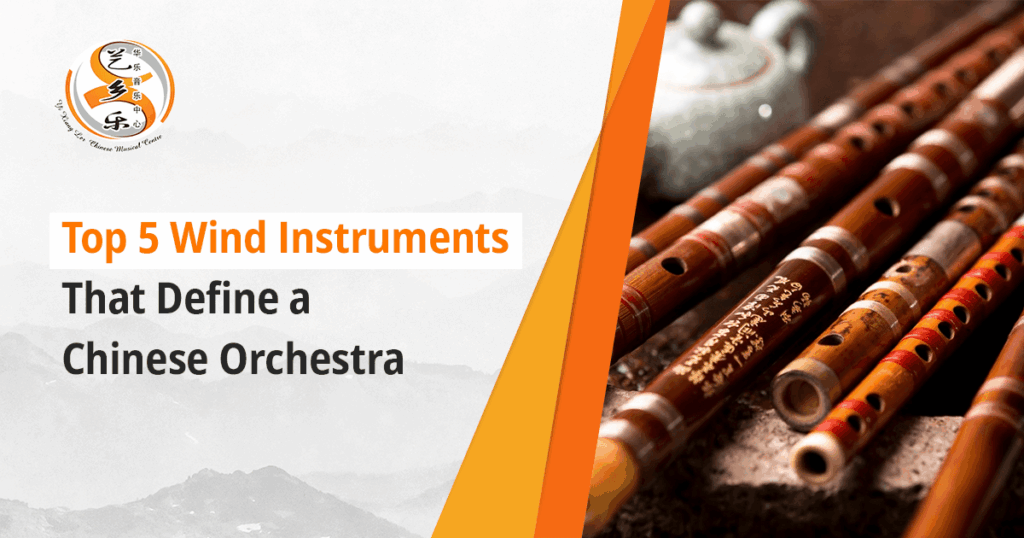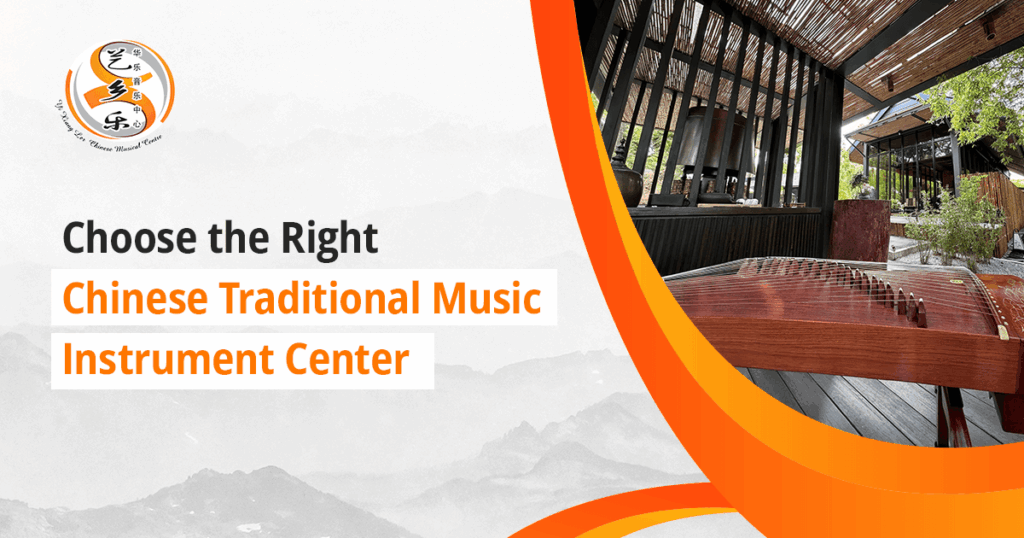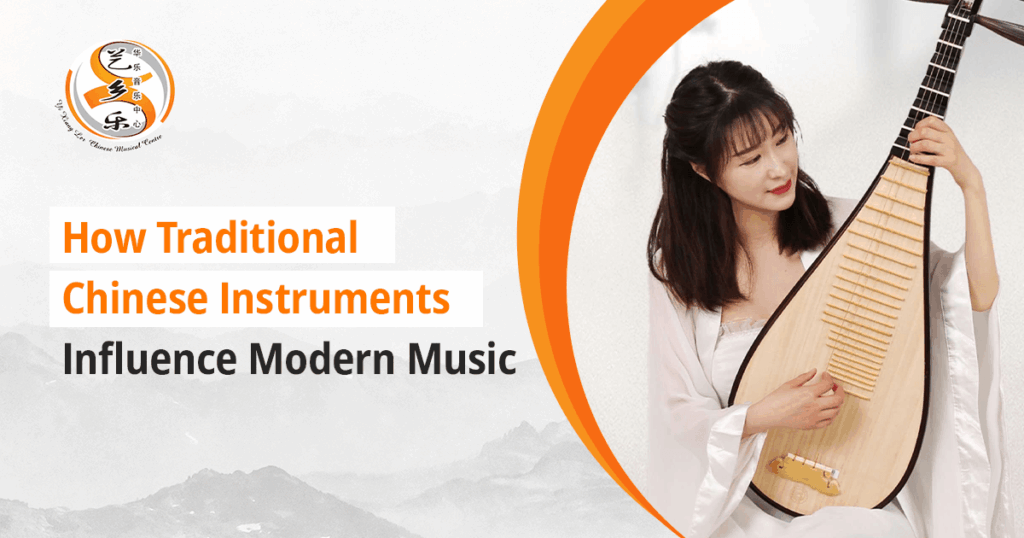
Traditional Chinese instruments have a charm that is both timeless and emotive. Instruments like the erhu, pipa, guqin, and dizi have been part of Chinese culture for centuries, carrying stories, emotions, and a deep sense of heritage. In recent years, these instruments have found their way into modern music, bridging the gap between history and contemporary sounds. From pop hits to film scores, their influence is reshaping how artists compose and produce music today.
Overview of Traditional Chinese Instruments
Traditional Chinese music instruments are an integral part of China’s musical heritage, carrying centuries of cultural history and artistic expression. Instruments such as the erhu, pipa, guqin, and dizi represent just a few examples of the wide variety of sounds in this tradition. Collectively, these instruments are highly expressive, capable of conveying deep emotion, and often used to evoke specific moods or atmospheres.
Rather than being limited to classical performances, these instruments possess unique tonal qualities, textures, and playing techniques that modern musicians can incorporate into contemporary compositions. Their versatility allows them to blend seamlessly with a variety of music genres, from pop and electronic music to film scores and jazz. This adds richness, depth, and cultural resonance to modern sounds.
By looking at traditional Chinese instruments as a whole, we can appreciate their lasting influence and understand why they continue to inspire innovation in modern music.
Traditional Instruments in Modern Music Genres
1. Pop Music
Pop artists have increasingly incorporated Chinese instruments to give their songs a fresh twist. For example, erhu solos often appear in ballads to add emotional weight, while the pipa might provide delicate, intricate riffs that make a chorus stand out. The combination of modern beats with traditional instruments gives songs a unique East-meets-West flavor that appeals to a wide audience.
2. Electronic/EDM
In the world of electronic music, traditional instruments are sampled or digitally recreated to add a human touch to synthetic sounds. Imagine a dizi melody floating over a bass drop or a guqin pattern layered with electronic synths—this fusion creates music that is both culturally rooted and futuristic. DJs and producers are increasingly experimenting with this blend, offering listeners a novel sonic experience.
3. Film and Game Soundtracks
Chinese instruments are perfect for storytelling. In films and video games, composers use them to evoke emotion and atmosphere. For example, the erhu can intensify a dramatic scene, while the pipa might signal tension or suspense. This is why many international productions are now turning to traditional Chinese instruments for their scores—they provide a richness and authenticity that modern orchestration alone cannot replicate.
4. World Music / Jazz
Even genres like jazz and world music have embraced Chinese instruments. Jazz artists incorporate the dizi or erhu into improvisations, blending Eastern scales with Western harmonies. This cross-cultural experimentation not only challenges musicians creatively but also introduces audiences to new textures and tonalities.
Influence on Composition & Music Production
The presence of traditional Chinese instruments has influenced how composers structure their music. Many modern tracks now adopt pentatonic scales, a signature of Chinese music, to create melodies that feel both familiar and exotic. This influence is especially evident in works inspired by Chinese orchestra instruments, where layered arrangements and rich tonal textures shape the overall composition.
Producers often spend extra time ensuring that the acoustic nuances of these instruments are preserved, whether through live recordings or digital sampling. The goal is to maintain authenticity while making the instruments sit naturally in a contemporary mix, allowing traditional elements to blend seamlessly with modern production styles.
Challenges and Adaptations
1. Difficulty in Maintaining Authenticity
Integrating traditional instruments into modern music is not always straightforward. Artists must strike a balance between preserving the instrument’s natural sound and adapting it to fit contemporary genres. Overprocessing can strip away its character, while underprocessing might make it feel out of place.
2. Technical Challenges in Production
Recording instruments like the erhu or guqin requires careful mic placement and attention to room acoustics. Mixing them alongside drums, synths, or heavy basslines can be tricky, as the delicate tones can easily get lost.
3. Audience Reception
Listeners’ reactions can vary. Some appreciate the blend of traditional and modern sounds, finding it fresh and sophisticated. Others, especially purists, may feel that the original essence of the instrument is compromised. Musicians need to navigate these perceptions carefully.
Conclusion
Traditional Chinese instruments have proven that they are not just relics of the past. Their sounds are vibrant, emotional, and adaptable, making them perfect companions for modern music across genres. By blending heritage with innovation, artists can create music that resonates deeply while introducing these timeless instruments to a new generation of listeners.

Discover the Magic of Traditional Chinese Instruments in Modern Music
Curious about how traditional sounds can transform modern music? Explore our curated music performances and discover tracks where heritage meets innovation. Dive into the world of Chinese instruments and hear the past play in the present!