Chinese musical instruments have a history that stretches across generations, yet their sounds are far from being confined to the past. The guzheng can be heard in a traditional solo performance and then appear in a modern pop arrangement. The erhu may perform a familiar folk melody in one setting and become the emotional centre of a film soundtrack in another.
As music continues to evolve, instrument makers and performers are finding new ways to bring traditional Chinese instruments into contemporary settings. Some musicians remain faithful to acoustic instruments and classical techniques, while others use amplification, electronic effects and modern arrangements to explore new sounds.
This raises an interesting question: what is the real difference between traditional and modern Chinese musical instruments?
The distinction is not simply about when an instrument was created. It can also involve its construction, sound, playing experience and intended performance setting. Understanding these differences can help students choose an instrument that suits their interests while gaining a deeper appreciation of how Chinese music continues to develop.
What Are Traditional Chinese Musical Instruments?
Traditional Chinese musical instruments are an important part of China’s cultural and musical heritage, shaped by centuries of craftsmanship, regional traditions and changing forms of artistic expression. Historically performed during ceremonies, festivals, theatrical productions and community gatherings, these instruments developed their identities through distinctive acoustic sounds and specialised playing techniques. Many are crafted from natural materials such as wood, bamboo, metal and animal skin, giving each instrument its own tonal character. More than tools for producing music, they have long been used to express emotions, accompany stories and reflect ideas inspired by history, poetry and nature. Today, traditional Chinese musical instruments remain widely studied and performed, allowing new generations to connect with Chinese culture while developing technical ability, discipline and musical expression.
What Are Modern Chinese Musical Instruments?
Modern Chinese musical instruments are contemporary adaptations of traditional instruments designed to suit today’s learning, recording and performance environments. While they retain their recognisable cultural identity and essential playing techniques, they may incorporate updated materials, improved tuning systems, electronic pickups or amplification. These developments allow Chinese instruments to be heard more clearly in large venues and blend naturally with pop, rock, orchestral and electronic music. Digital technology has also introduced sampled instrument sounds and virtual music tools, giving composers more ways to include Chinese musical elements in their work. Rather than replacing traditional instruments, modern versions expand their creative possibilities and help Chinese music connect with new audiences.
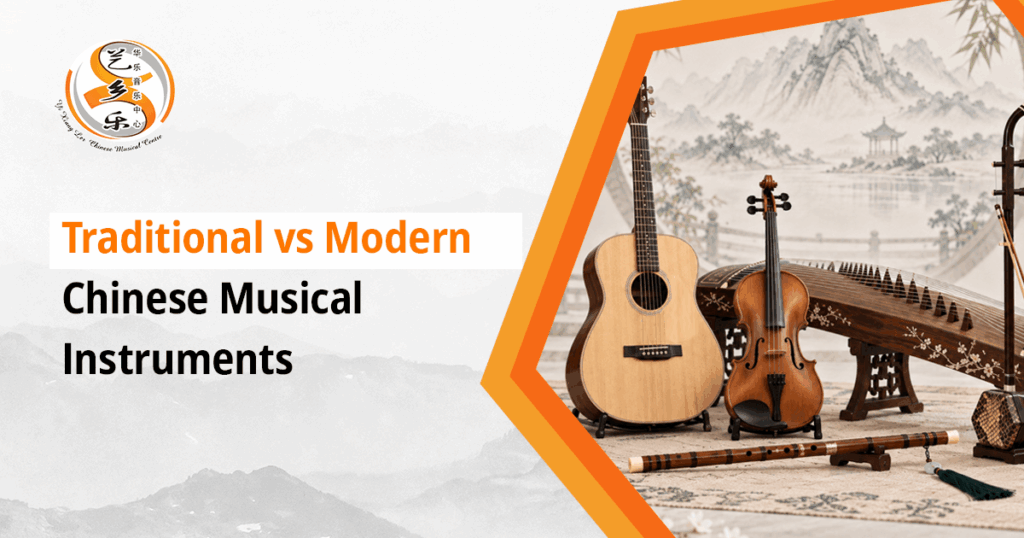
Traditional vs Modern Chinese Musical Instruments
The distinction between traditional and modern Chinese musical instruments becomes clearer when we compare how they are made and used.
|
Comparison
|
Traditional Chinese Instruments
|
Modern Chinese Instruments
|
|---|---|---|
|
Sound and style
|
Natural, acoustic and closely connected to classical or folk music
|
Amplified or digitally enhanced for pop, fusion and contemporary music
|
|
Design and materials
|
Commonly made with wood, bamboo, metal and other natural materials
|
May use synthetic materials, modern strings, pickups or electronic components
|
|
Learning experience
|
Focuses on traditional techniques, tone control and cultural repertoire
|
Combines fundamental techniques with recording tools, effects and modern arrangements
|
|
Performance settings
|
Often used in recitals, Chinese orchestras, opera and cultural events
|
Suitable for concerts, studios, multimedia productions and cross-cultural performances
|
|
Maintenance
|
Natural materials may require more careful handling
|
Modern materials may provide better durability and stability
|
|
Best suited for
|
Learners interested in authentic sound, culture and traditional repertoire
|
Musicians interested in contemporary performance, production and experimentation
|
Neither type is necessarily better. Traditional instruments preserve the natural character and cultural roots of Chinese music, while modern instruments offer greater flexibility for today’s performances and creative projects.
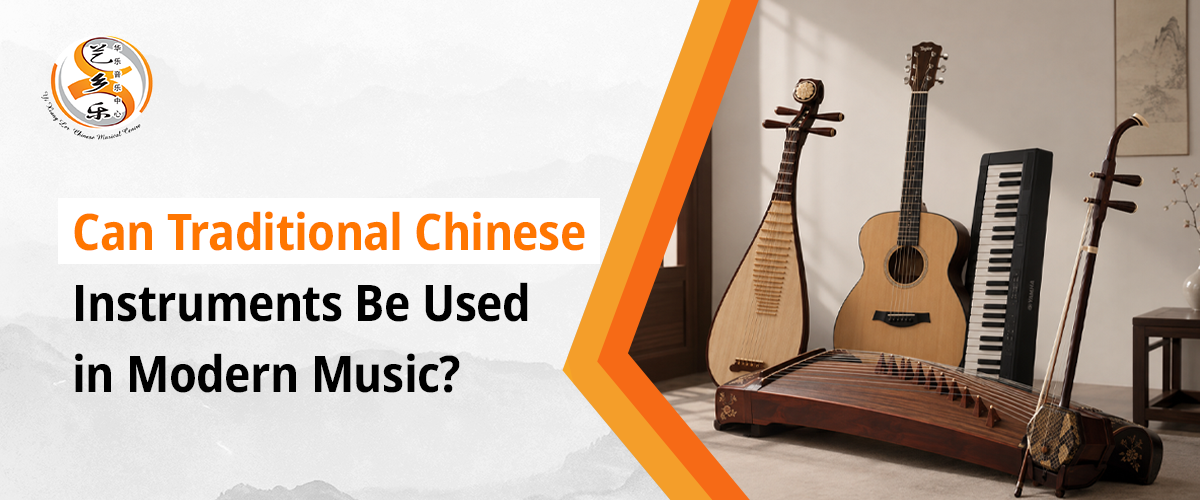
Can Traditional Chinese Instruments Be Used in Modern Music?
Traditional Chinese instruments can be used very effectively in modern music. In fact, their distinctive sounds can give a contemporary composition an identity that is difficult to achieve with standard electronic or Western instruments alone.
The erhu is frequently chosen for emotional melodies because its tone can feel remarkably close to the human voice. It works well in ballads, cinematic music and dramatic soundtracks.
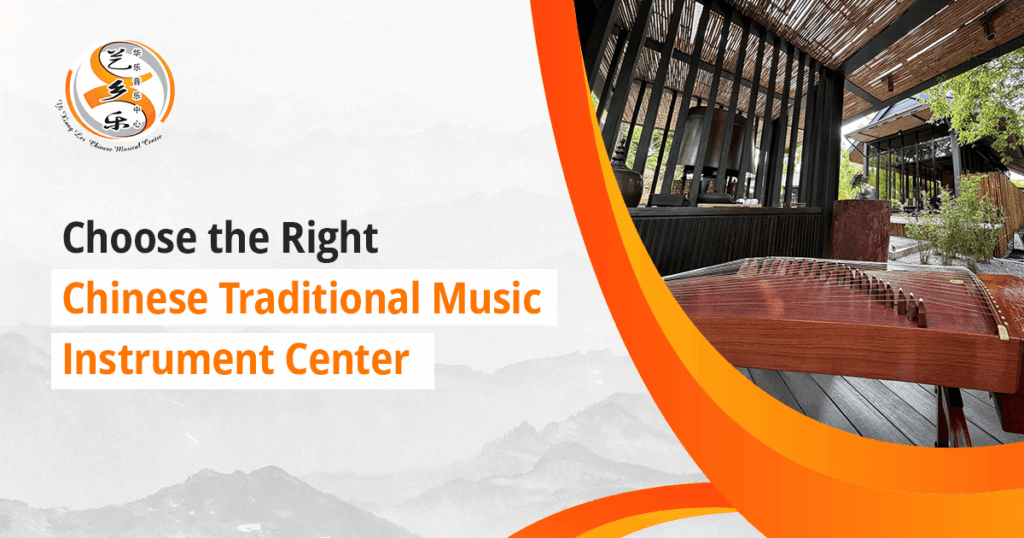
The guzheng can create more than gentle flowing passages. Its strings can produce fast rhythmic patterns, sweeping glissandos, percussive sounds and strong accents. This versatility allows it to fit into pop, fusion and experimental arrangements.
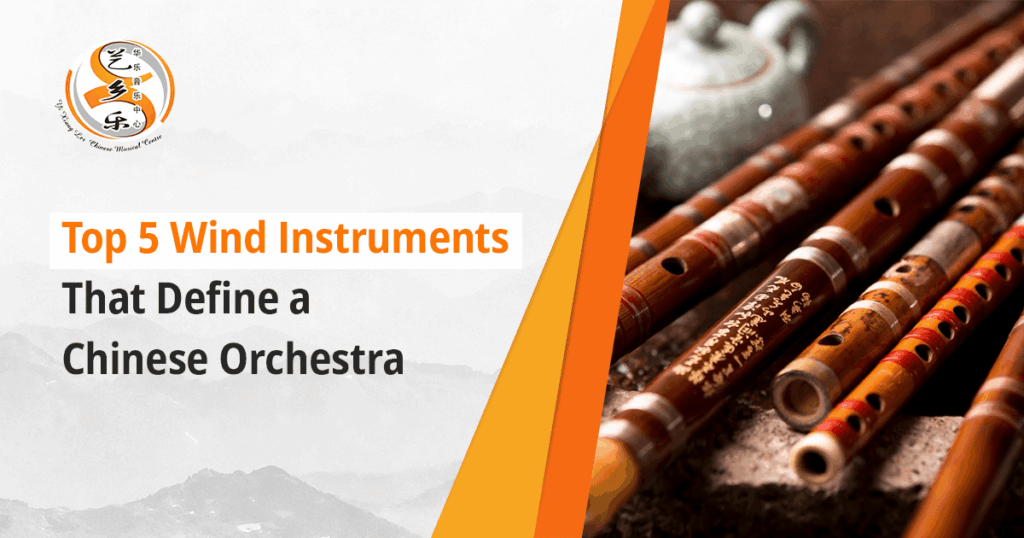
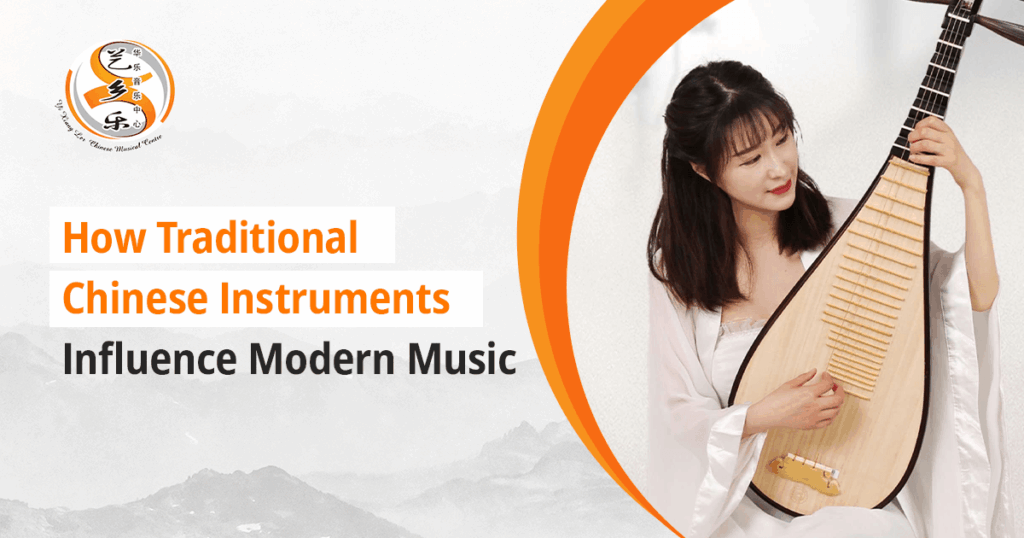
The pipa can move quickly between melody and rhythm. Its detailed plucking techniques can add energy to an arrangement, while its softer tone can support quieter sections. The dizi can introduce a bright and lively sound that stands out clearly within a modern composition.
Using traditional Chinese musical instruments in modern music requires thoughtful arrangement. Simply adding an erhu or guzheng to a song does not automatically make the music meaningful. The instrument needs a clear role within the composition.
The arranger should understand its natural range, tone and techniques. When the instrument is treated as an important musical voice rather than a decorative sound effect, the result feels more balanced and authentic.
Musicians may also adapt traditional techniques for modern purposes. A guzheng player might use muted plucks to create a rhythmic effect, while an erhu player may experiment with improvisation or electronic processing.
These experiments do not necessarily weaken tradition. They can introduce Chinese musical instruments to listeners who may never have attended a traditional recital. A person might first hear the guzheng in a popular song and later become curious about its history, repertoire and playing techniques.
The Future of Chinese Musical Instruments
The future of Chinese musical instruments is likely to be shaped by both preservation and innovation.
Traditional techniques, repertoire and craftsmanship must continue to be taught carefully. Without these foundations, modern versions of the instruments may keep their appearance but gradually lose the qualities that make them culturally and musically distinctive.
Music education plays an important role in this process. When students learn the correct techniques and understand the background of the pieces they perform, they help preserve more than a collection of songs. They carry forward a way of listening, playing and expressing ideas through music.
At the same time, Chinese musical instruments must remain connected to the world in which younger musicians live. Students today are exposed to film music, online videos, pop songs, games and music from many different cultures. Allowing them to explore these interests can make traditional instruments feel relevant to their lives.
Technology will continue to create new possibilities. Better recording tools can capture the details of an acoustic performance. Online learning can connect students with teachers beyond their local area. Digital archives can preserve rare pieces and performance styles, while modern production software can introduce traditional sounds to international audiences.
Instrument design may also continue to develop. Future instruments could become easier to amplify, more stable in changing climates and better suited to travel without losing their essential tonal character.
The challenge is to innovate with understanding. Modernisation should serve the music rather than remove the features that make the instrument unique.
A guzheng does not need to sound like a keyboard, and an erhu does not need to imitate a violin. Their value comes from having their own voices. Technology is most useful when it helps those voices travel further.
Conclusion
Traditional and modern Chinese musical instruments each have an important place in today’s music. Traditional instruments preserve distinctive acoustic sounds, playing techniques and cultural values developed across generations. Modern adaptations build on this foundation by introducing updated materials, amplification and digital technology for contemporary performances and recordings.
Choosing between them depends on the learner’s interests and musical goals. Those drawn to authentic techniques and classical repertoire may prefer a traditional instrument, while musicians interested in modern arrangements can explore amplified or electronic versions. Together, tradition and innovation allow Chinese musical instruments to retain their cultural identity while reaching new audiences.

Discover the Beauty of Chinese Musical Instruments
Interested in learning the guzheng, erhu or other traditional Chinese musical instruments? Yi Xiang Ler Chinese Musical Centre provides structured Chinese music lessons designed to help students develop proper techniques, musical confidence and a deeper understanding of Chinese music. Whether you are a complete beginner or looking to improve your existing skills, our instructors can guide you at a comfortable pace.
Contact Yi Xiang Ler Chinese Musical Centre to learn more about our available music classes and find a suitable Chinese musical instrument for you or your child.